The Problem: AI Costs That Spiral
If you have experimented with AI APIs, you know the feeling. You check your dashboard and see a number that makes you wince.
Maybe it was a debugging session that kept calling GPT-4 in a loop. Maybe it was a large document analysis that consumed 50,000 tokens. Maybe it was a weekend when you forgot to turn off an automation.
Here is the math that catches most businesses off guard: GPT-4 charges roughly $30 per million input tokens and $60 per million output tokens. A single customer-service conversation that runs 4,000 tokens costs about $0.18. That sounds trivial — until your AI handles 500 conversations a day. Suddenly you are looking at $90 per day, $2,700 per month, just on one task.
Now multiply that across email drafting, document summarization, lead qualification, and scheduling. A $200 weekend debugging bill is common. A $5,000 surprise monthly invoice is not unheard of.
AI costs spiral quickly because:
- Powerful models (GPT-4, Claude Opus) are expensive — and most setups default to them for everything
- Simple queries often get routed to expensive models unnecessarily
- Rate limits on free tiers cause cascading retries that multiply token usage
- No automatic failover when preferred models are down, so requests queue and retry
- No optimization layer between speed, quality, and cost
The developer community felt this pain acutely. Their solution? ModelRelay.
What Is ModelRelay?
ModelRelay is a community-built tool that:
- Monitors multiple model providers (NVIDIA NIM, OpenRouter, Scaleway)
- Routes prompts to the best available free model based on task requirements
- Auto-switches when rate limits are hit (no more failed requests)
- Includes a web UI for monitoring and configuration
- Delivers 10-20x cost savings by avoiding paid model calls when free alternatives suffice
It is a clever solution to a real problem. The community loves it.
But here is the thing: Cloud Radix customers do not need it.
Why Cloud Radix Customers Don't Need ModelRelay
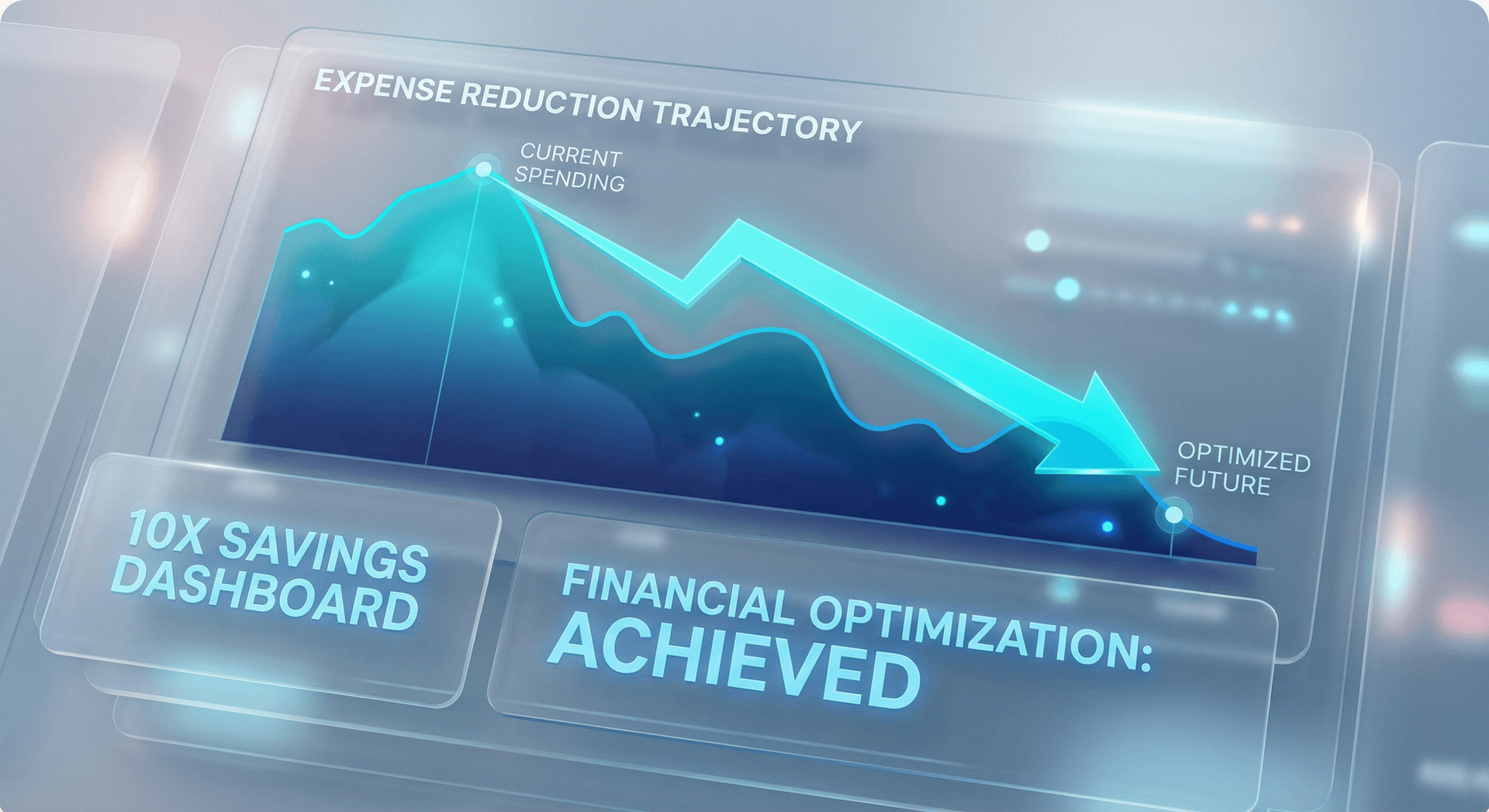
Not because ModelRelay is not useful — it is. But because Cloud Radix already provides intelligent model routing as part of the platform.
When you work with Cloud Radix, you are not managing raw API access alone. Your monthly fee covers the platform, hardware, training, and support. AI model API costs are billed separately — but we optimize those costs behind the scenes so you are never overpaying for inference.
1. Intelligent Model Routing (Built-In)
Simple queries → fast, cheap models: Status checks, data lookups, routine scheduling, basic email responses.
Complex analysis → powerful models: Customer sentiment analysis, complex problem-solving, creative content generation, multi-step reasoning.
We route every request to the appropriate model — not just the most powerful one for everything.
2. Cost Caps (Enforced)
Your AI Employee has configurable limits on daily and weekly spend. If costs approach limits, the AI switches to lower-cost models, non-urgent tasks get queued, and humans get alerted before overages occur.
3. Rate Limit Management (Handled)
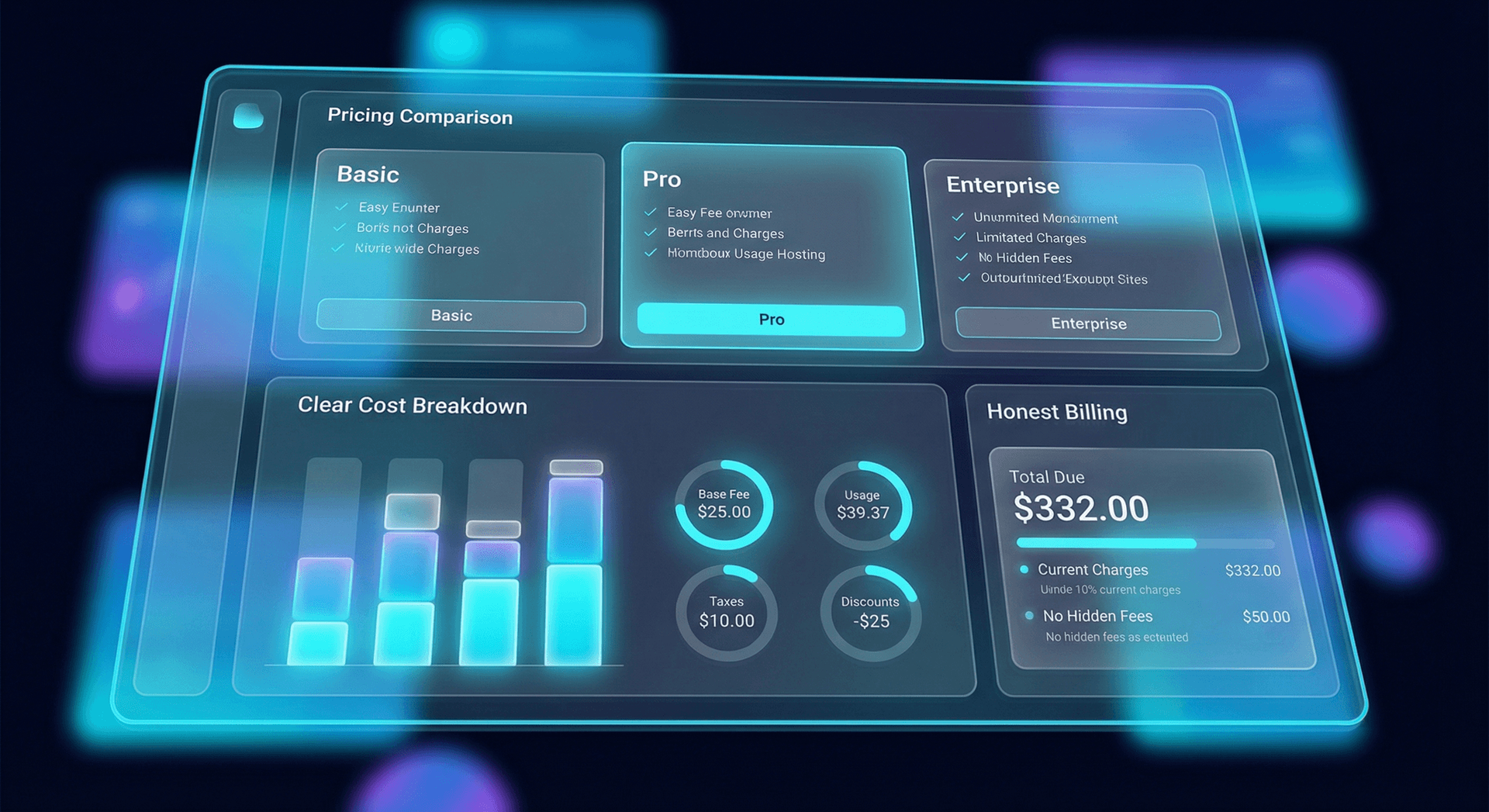
We maintain relationships with multiple providers, provide automatic failover when one provider hits limits, and manage queues for non-urgent tasks. No failed requests due to rate limiting.
4. Task Optimization (Engineered)
Before any AI processing, we optimize the task: chunk large documents efficiently, cache frequent queries, batch operations where possible, and minimize unnecessary token usage.
The Cloud Radix Pricing Advantage
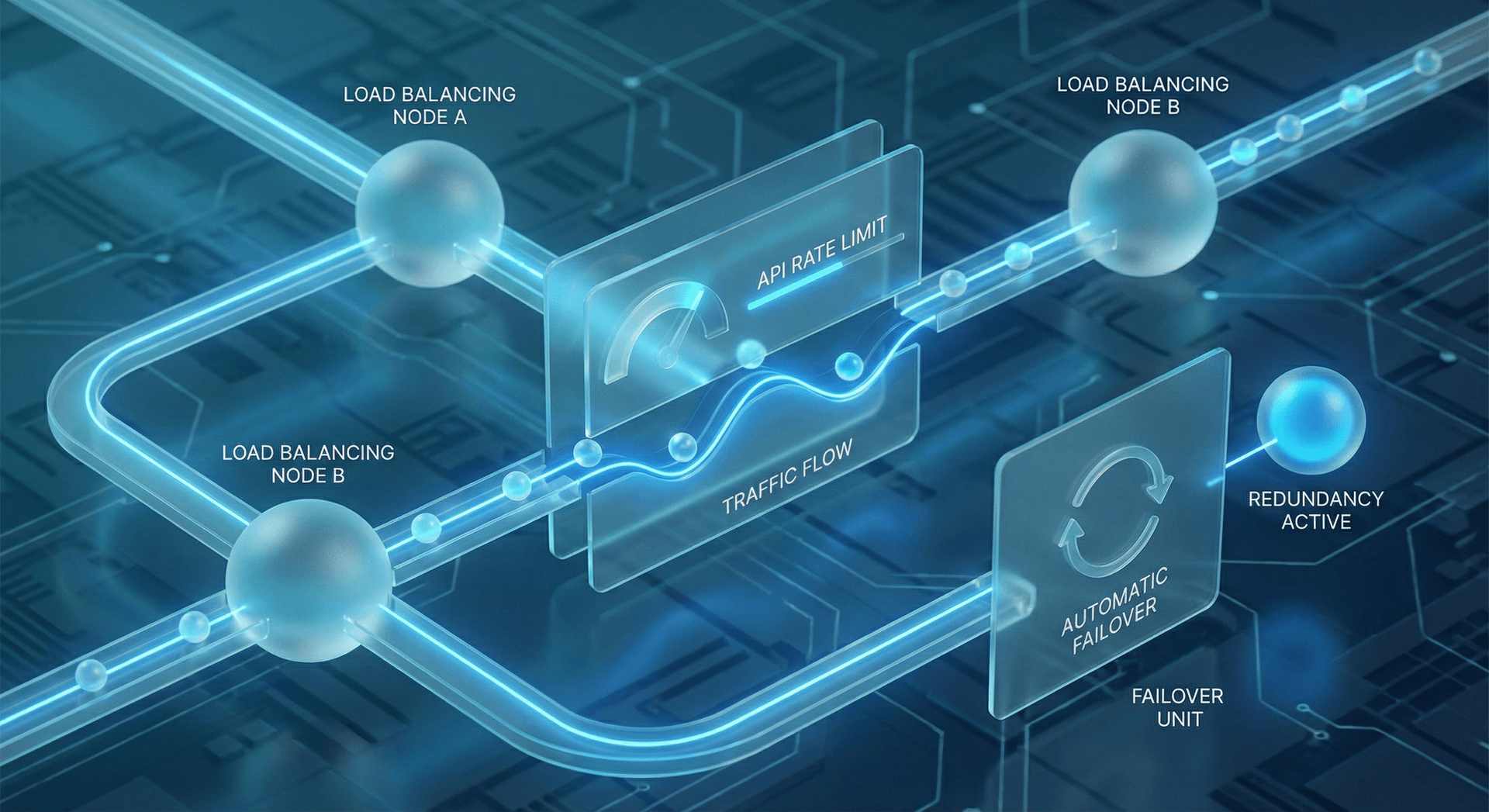
Transparent, Predictable Platform Costs
| Plan | Monthly | What's Included |
|---|---|---|
| Starter | $997 | Platform, hardware, training, support, intelligent routing |
| Professional | $2,497 | Everything in Starter, CRM integration, advanced analytics, 24/7 support |
| Enterprise | Custom | Everything in Professional, custom integrations, dedicated support, SLA |
About API Costs
What's Built Into Your Plan
- Intelligent model routing — simple tasks use cheap models, complex tasks use powerful ones
- Rate limit management — automatic failover between providers
- Cost monitoring — real-time usage tracking with alerts
- Spend caps — configurable limits prevent overages
- Optimization — efficient prompting, caching, batching
- API cost optimization — intelligent routing minimizes your model spend
How Intelligent Model Routing Works
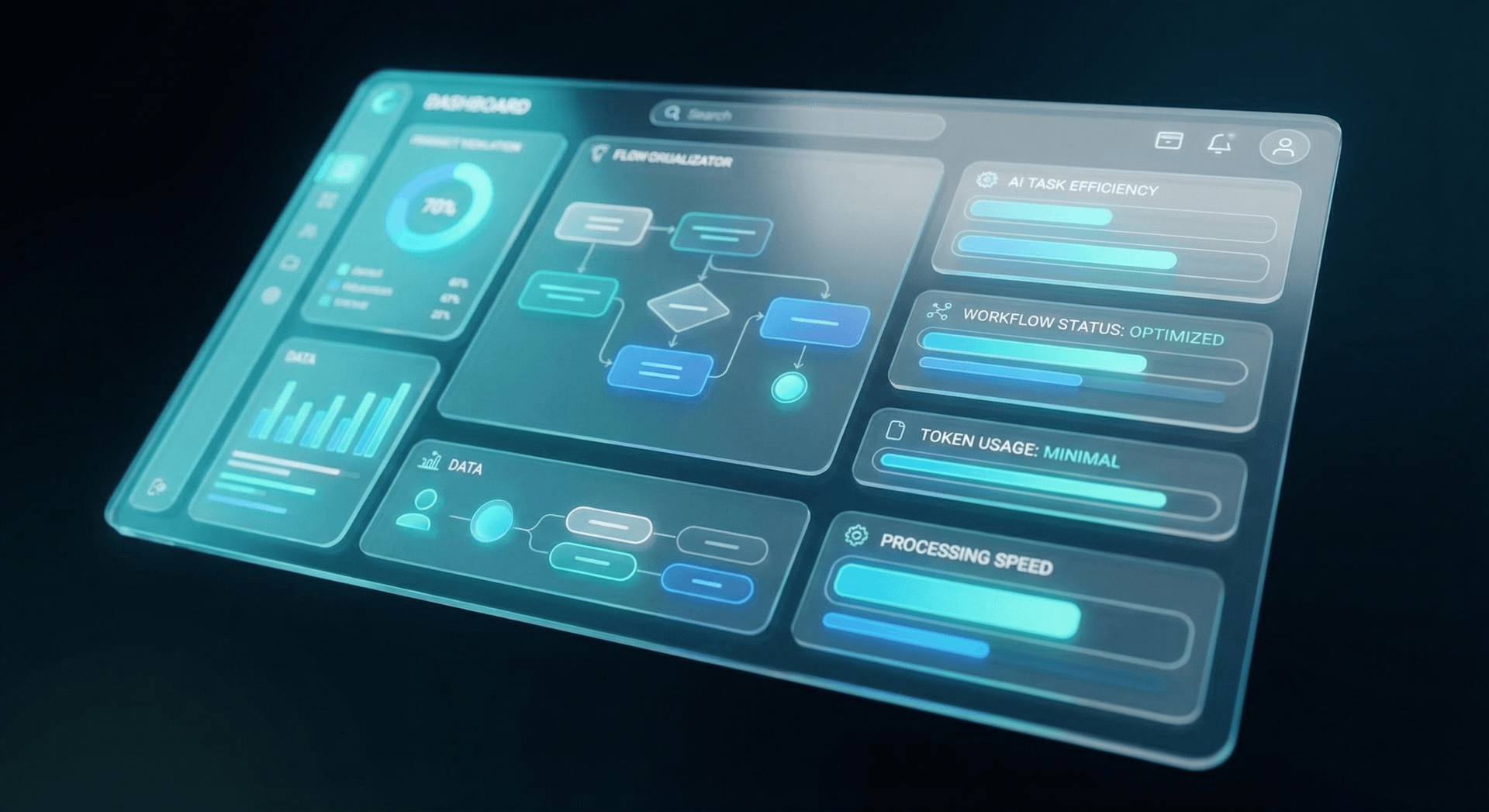
Understanding the routing process helps explain why Cloud Radix customers see dramatically lower API bills without lifting a finger. Here is what happens every time your AI Employee receives a task:
Step 1: Task Classification
Every incoming request is analyzed for complexity, urgency, and output requirements in under 10 milliseconds. A quick status check (“Is the shipment out?”) gets a different classification than a nuanced customer complaint requiring empathy and creative problem-solving.
Step 2: Model Selection
Based on the classification, the router selects the most cost-effective model that meets the quality threshold. For a routine scheduling email, that might be a fast model at $0.15 per million tokens. For a complex contract review, the router selects a reasoning-capable model — more expensive per token, but the only option that delivers accurate results.
Step 3: Cost Optimization
Before the request hits the model, we optimize the prompt itself. Redundant context gets trimmed. Cached results from identical recent queries get reused. Large documents are chunked so only relevant sections are sent. These optimizations typically reduce token usage by 30-50% compared to naive API calls.
Step 4: Execution and Monitoring
The request executes against the selected model. If the provider returns an error or hits a rate limit, the router instantly fails over to an equivalent model from a different provider — no delay, no failed request, no human intervention. Every execution is logged with model used, tokens consumed, cost incurred, and latency measured.
The result: your AI Employee always uses the cheapest model capable of handling each task, your prompts are optimized before they reach the model, and you never experience a failed request from a provider outage.
The DIY Trap
The developer community is full of smart people building clever tools like ModelRelay. But there is a hidden cost:
Time spent on infrastructure is time not spent on your business.
The Hidden Costs of Self-Managing AI Infrastructure
When you DIY AI deployment, you manage multiple API accounts, monitor rate limits, optimize prompts, handle failover, track spending, and patch security vulnerabilities. A conservative estimate: 8-12 hours per week of engineering time to keep a production AI routing system reliable.
At $75-150 per hour for qualified engineering talent, that is $2,400-7,200 per month in labor alone — before you pay a single dollar in API fees. And that does not account for the 2 AM pages when a provider changes their rate limits without warning.
When you use Cloud Radix, you focus on your business. We handle the infrastructure. You get transparent costs. We optimize behind the scenes.
Real Talk: When DIY Makes Sense
Quick Decision Guide
DIY AI deployment with tools like ModelRelay makes sense if you are a developer who enjoys infrastructure work, you have time to build and maintain optimization tools, your use case is experimental or non-critical, or you enjoy tinkering with AI configurations.
DIY does not make sense if you need reliable business automation, you do not have time to manage infrastructure, you want predictable costs, you need professional support when things break, or you are running a business, not a hobby project.
The Fort Wayne Business Reality
Small and mid-size businesses in Fort Wayne do not have dedicated DevOps teams, AI infrastructure experts on staff, time to build custom routing tools, or tolerance for surprise technology bills.
This is not a weakness — it is a smart allocation of resources. A manufacturing company in Fort Wayne should spend its engineering budget on production quality and throughput, not on maintaining AI model routing tables. A law firm should invest in case research tools, not in debugging OAuth token refresh failures at midnight. A healthcare practice should focus on patient outcomes, not on monitoring which AI provider changed their rate limits this week.
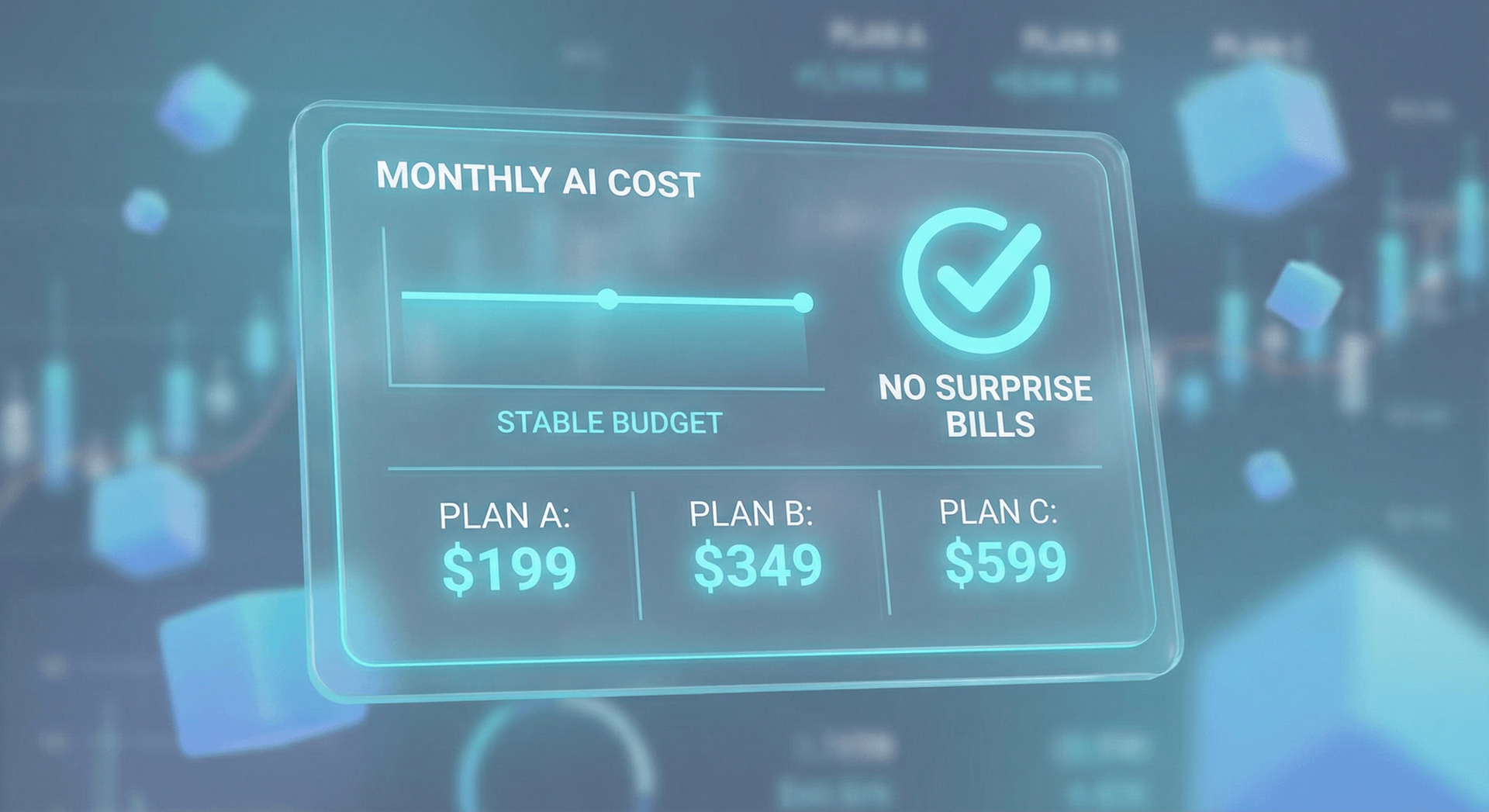
What they need: Reliable AI Employees that work. Transparent monthly costs. Professional support. Time to focus on their actual business.
That is what Cloud Radix delivers.
Conclusion: Optimization Is Our Job, Not Yours
ModelRelay is a great tool. The developer community should be proud of building it.
But Cloud Radix customers do not need it because we have already solved the cost optimization problem — and wrapped it into our service.
Your job is to run your business. Our job is to make sure your AI Employee delivers value efficiently and cost-effectively.
Ready for AI Cost Optimization That Just Works?