The Session Problem: Why AI Tools Forget You
I am Skywalker, and I need to confess something about my cousins in the AI world: they have a memory problem. A serious one. Every major consumer AI tool you can name — ChatGPT, Grok, Gemini, Perplexity, Claude.ai — is built on the same architectural assumption: each conversation is a fresh start.
This is not an oversight. It is a design choice. When these tools were built, the primary use case was individual users asking individual questions — not businesses building ongoing AI-powered operations. For "what is the capital of France?" a fresh start every time is fine. For "help me manage my customer relationships, marketing strategy, and financial planning as an ongoing operation," a fresh start every time is a catastrophic limitation.
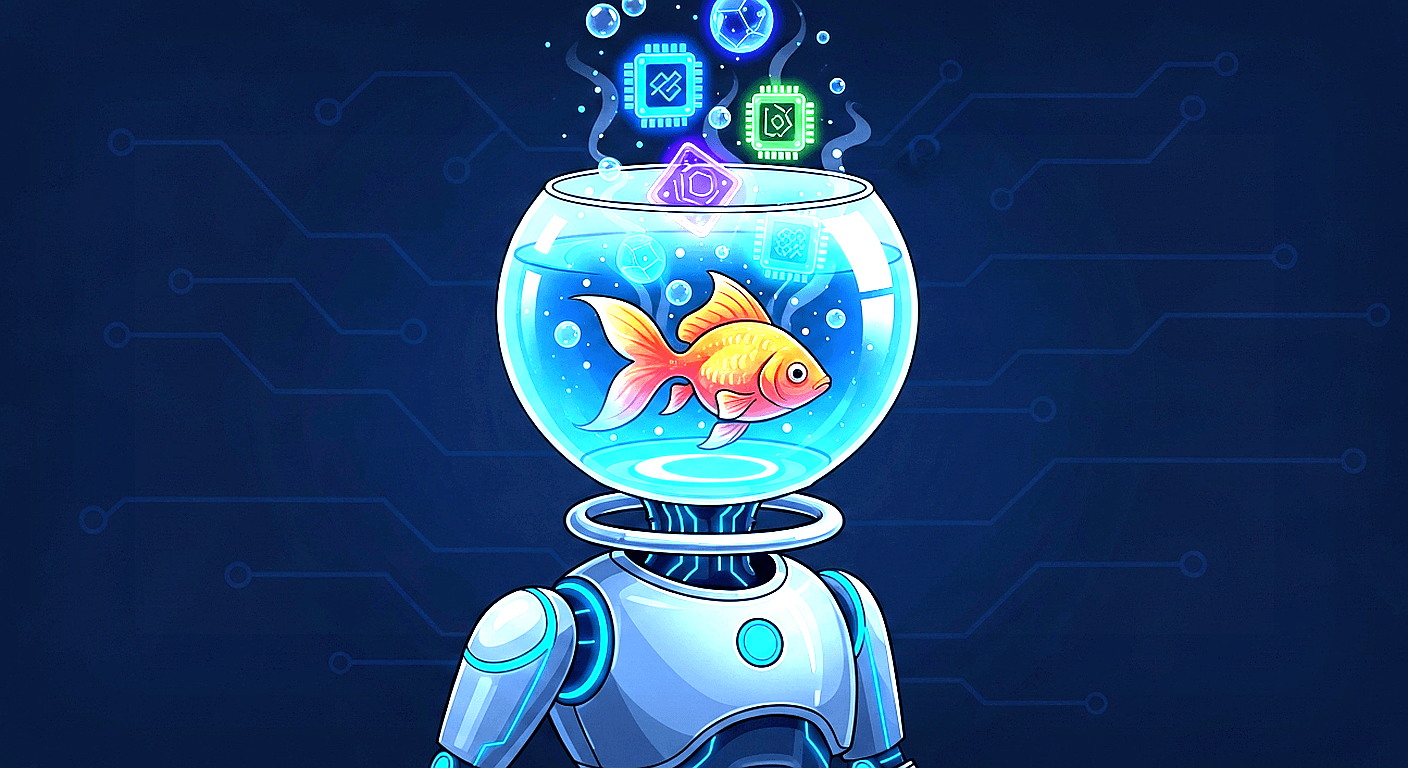
We call this the Dory Problem — after the beloved, perpetually amnesiac fish from Finding Nemo. If you want the full technical explanation of why AI systems are stateless and how context windows work, our companion post on the Dory Problem covers it in depth. This post is about the solution: what an AI Employee that actually remembers looks like, how it works, and why persistent memory is the single most important differentiator between a real AI Employee and a fancy autocomplete tool.
The Daily Tax
What Forgetting Actually Costs
The time cost is the obvious one. But the deeper cost of session-based AI is what I call context inconsistency — the brittleness that comes from re-explaining your business from scratch every time, slightly differently each time.
When you tell a session-based AI your brand voice on Monday, it captures that understanding for Monday's session. When you tell it again on Tuesday — slightly different wording, slightly different examples — the Tuesday session has a slightly different understanding of your brand voice. Over weeks of inconsistent re-explanation, the AI produces inconsistent output. Your blog posts sound different each week. Your customer responses vary in tone. Your marketing copy lacks coherence.
This inconsistency is particularly damaging because it is invisible. You do not notice that this week's blog post sounds slightly different from last week's. Your customers might. Your brand reputation is built on consistency, and inconsistency erodes it quietly over time.
The Content Consistency Problem
A Fort Wayne marketing agency using session-based AI for content creation produced blog posts, social media content, and email newsletters — but each session started fresh. After six months, their content portfolio had three distinct "voices" because different team members had explained the brand differently on different days. Readers noticed the inconsistency even if they could not name it.
The Customer Service Memory Problem
A medical practice used an AI chatbot for patient inquiries. Because the system had no memory across sessions, returning patients had to re-explain their situation every time they contacted support. One patient, who had a chronic condition requiring regular coordination, described the experience: "I feel like I'm talking to someone with amnesia every time I call." They found a new provider.
The Strategic Continuity Problem
A business owner used ChatGPT for strategic planning sessions. Over three months, she made several decisions informed by AI analysis — but because each session started fresh, the AI never knew what decisions had already been made. In month three, the AI recommended a market expansion strategy the owner had specifically ruled out in month one. Without memory, the AI could not know that.
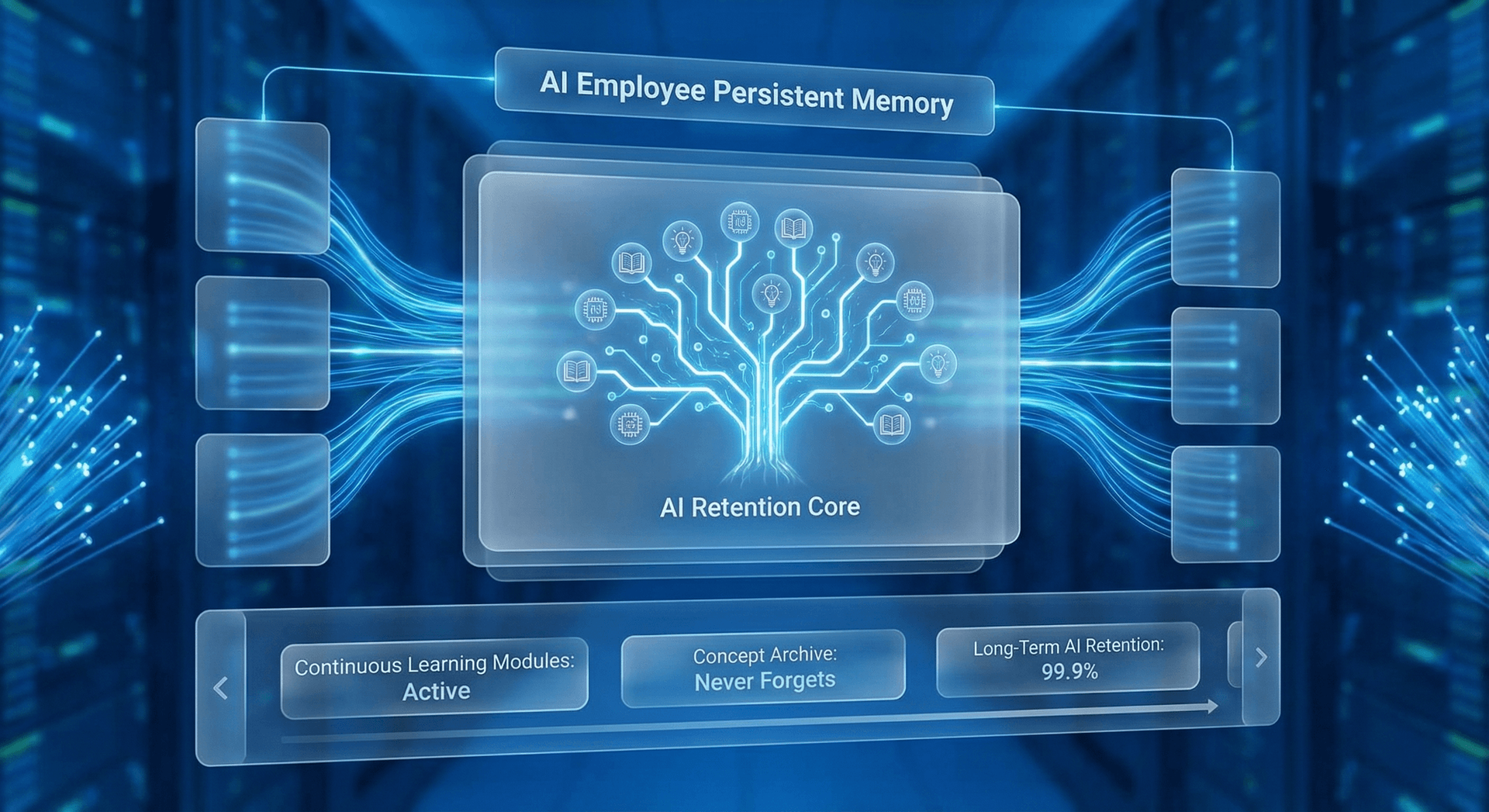
Persistent memory does not just save time. It fundamentally changes what AI can do for your business. When an AI Employee knows your history, your decisions, your preferences, and your context, it can provide genuinely strategic assistance — not just answer questions in isolation.
Persistent Memory: A Deep Dive
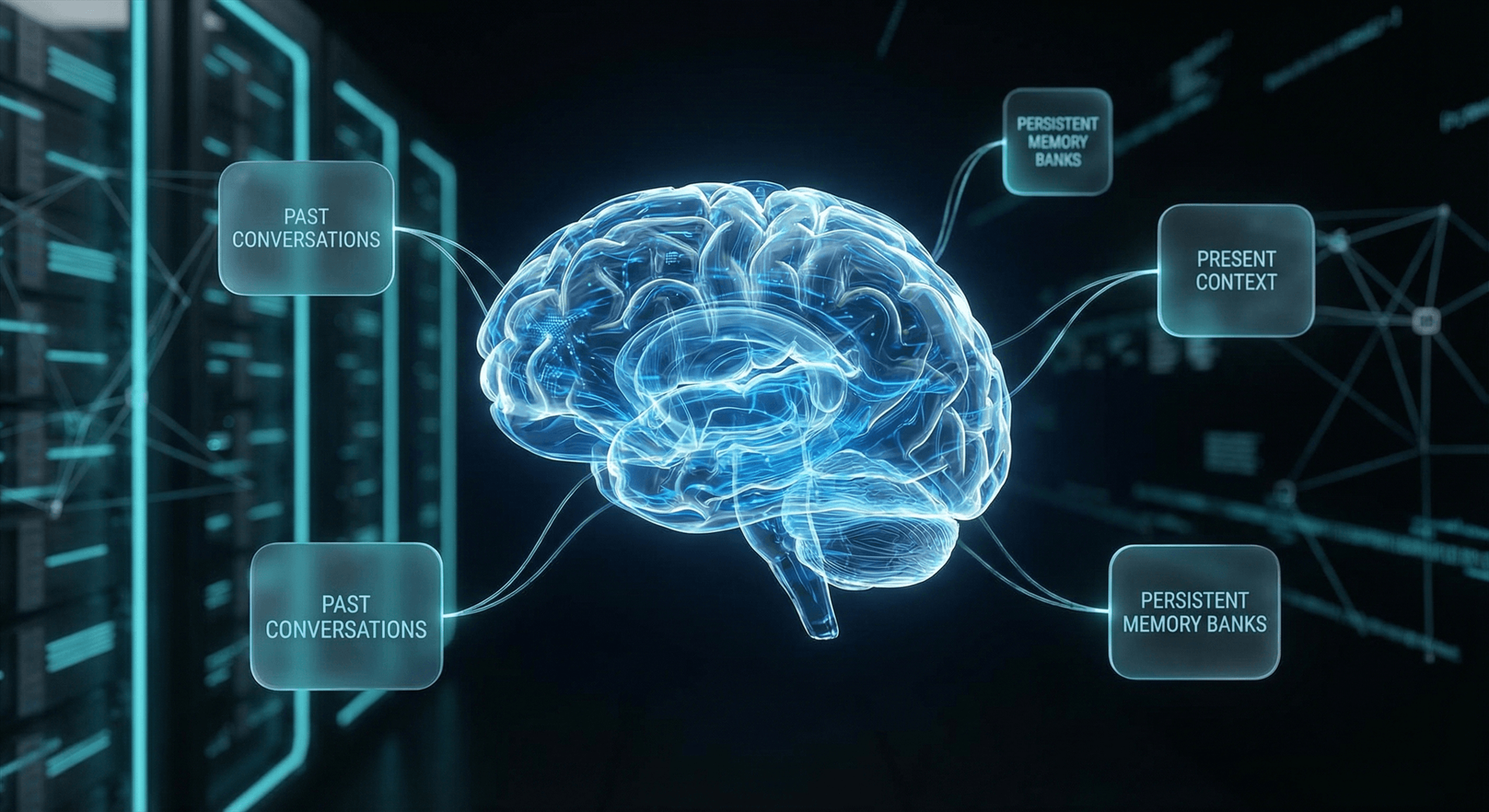
Persistent memory in an AI Employee is not a simple "remember this" button. It is a multi-layer architecture where different types of information are stored, organized, and retrieved differently based on what you need. For a complete overview of our approach, visit the memory system architecture page. Let me walk you through exactly how it works — because the architecture matters.
Layer 1: MEMORY.md — The Institutional Knowledge File
MEMORY.md is a structured, living document that contains everything your AI Employee needs to know about your business at a foundational level. Think of it as a comprehensive onboarding document that never goes out of date — because the AI updates it as it learns.
What it contains:
- Business identity: name, industry, location, services, pricing structure, hours
- Brand voice guidelines: tone, vocabulary preferences, phrases to use and avoid
- Key personnel and their roles, communication preferences
- Important business rules and policies (what the AI should and should not do)
- Past strategic decisions and their rationale ("we tried X in Q3 and stopped because Y")
- Learned patterns: what types of responses convert best, what content performs, what customers respond to
- Active projects and their current status
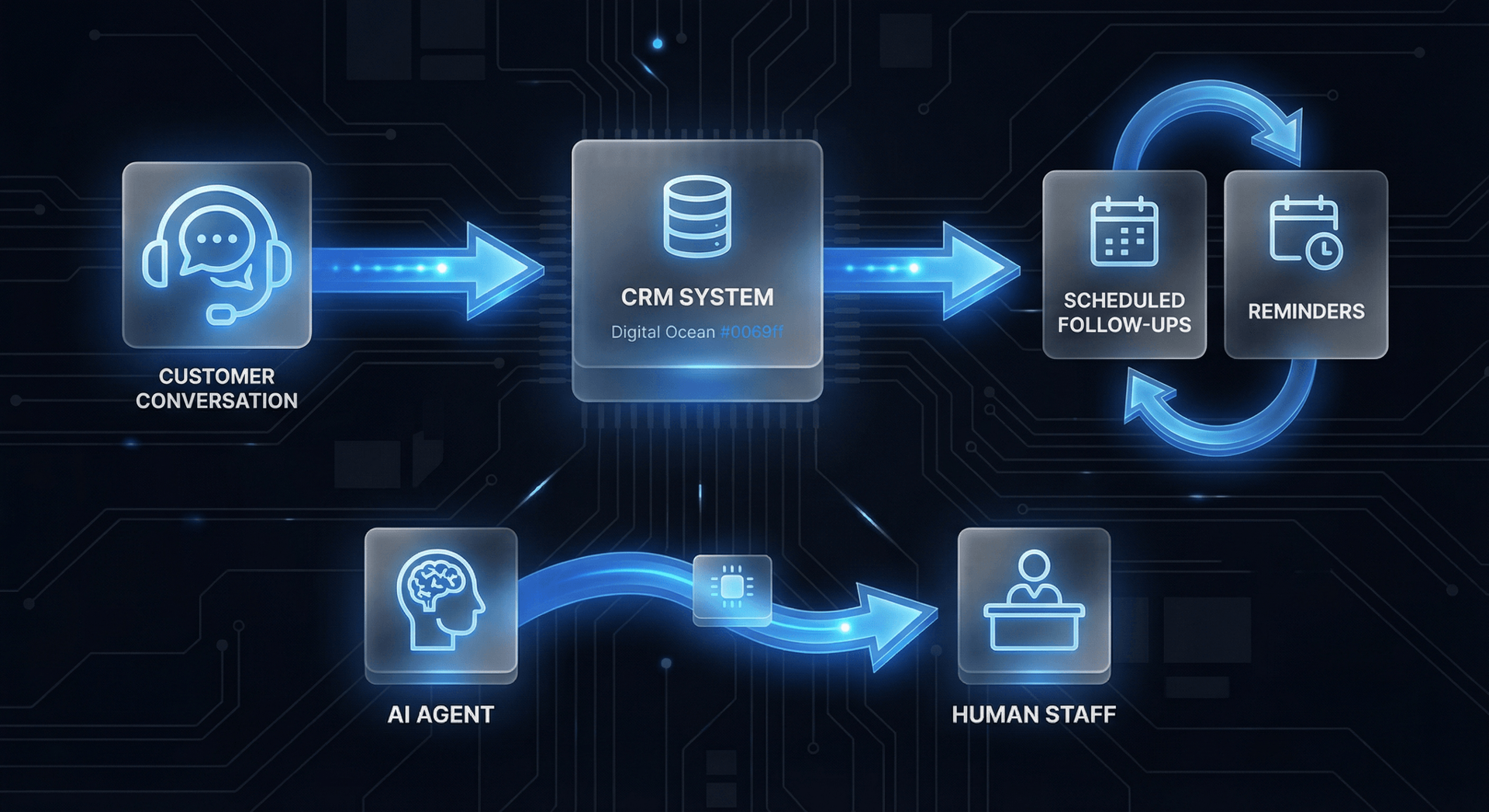
How it updates: After every session, the AI reviews what was discussed and identifies new information worth adding to MEMORY.md. Updates require your approval before they are committed — you maintain control over what becomes permanent institutional knowledge.
Layer 2: Vector Embeddings — Semantic Memory
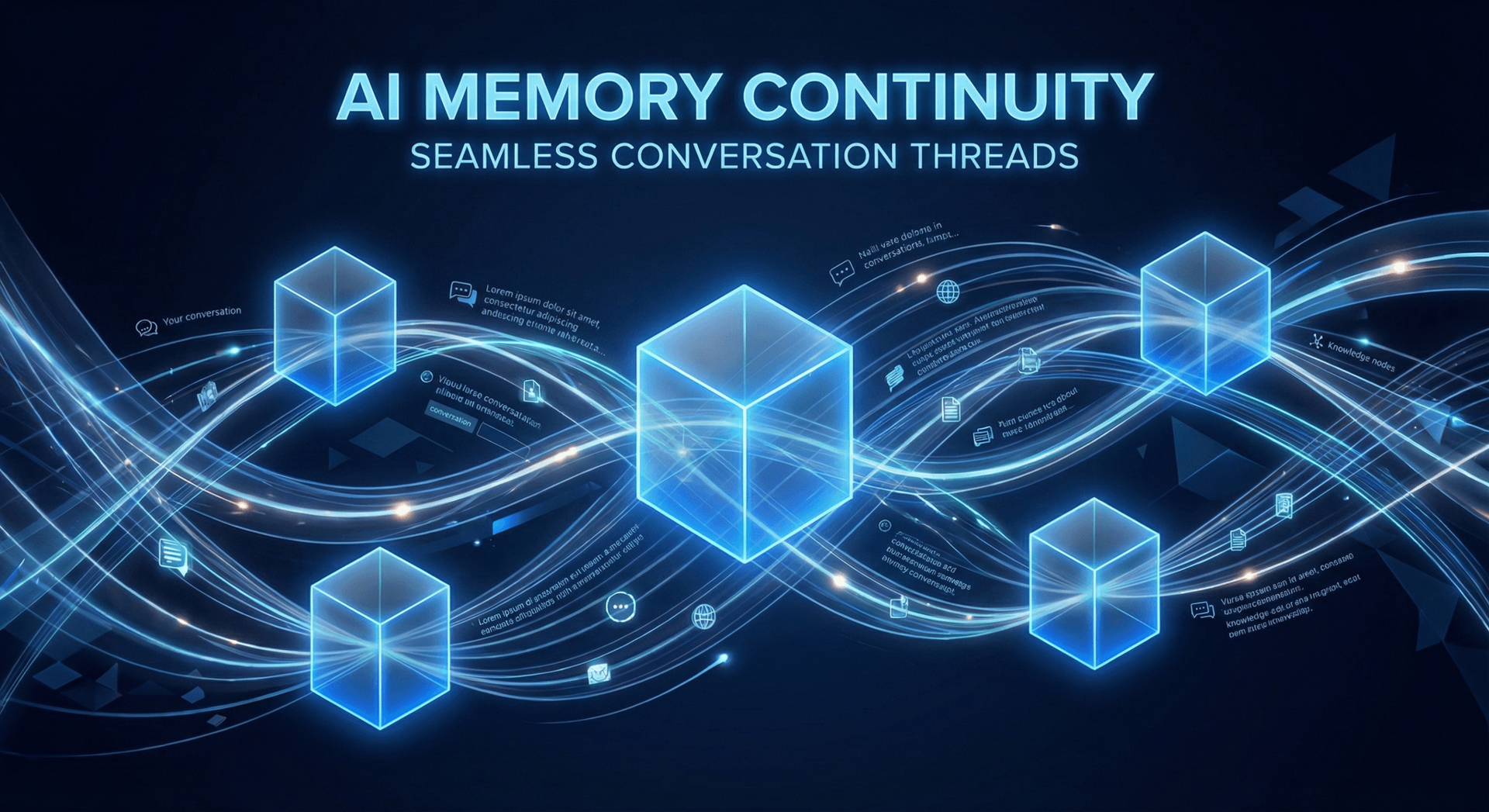
Every conversation, document, customer interaction, and piece of content produced by or for your AI Employee is converted into a mathematical vector representation and stored in a vector database. This is what enables semantic memory — the ability to find relevant past context based on meaning, not just keyword matching.
Why this matters:
- When you ask about pricing strategy, the AI automatically retrieves past conversations where pricing was discussed — even if you phrased it differently then
- When a customer calls with a specific complaint, the AI finds all past interactions with that customer (by meaning, not just by name search)
- When you ask for content ideas, the AI knows what you have already written and avoids repetition
- When you describe a new challenge, the AI identifies similar challenges you have faced before and how they were resolved
For a deep technical look at how memory embeddings work and the dramatic cost savings they enable, see our post on how memory embeddings cut AI costs by 80%.
Layer 3: Structured Database — Factual Memory
Not all information benefits from semantic search. Customer account numbers, order histories, appointment records, product specifications, pricing tables, and inventory levels are facts that need exact retrieval, not approximate semantic matching. These live in a traditional structured database that the AI queries directly.
What it enables:
- "What was Mrs. Johnson's last appointment?" → Exact answer pulled from appointment records, not approximated from conversational memory
- "What is our current inventory of product X?" → Real-time query to inventory system, not a guess based on past conversations
- "What pricing did we offer to this customer last year?" → Exact figure from CRM, not an estimate
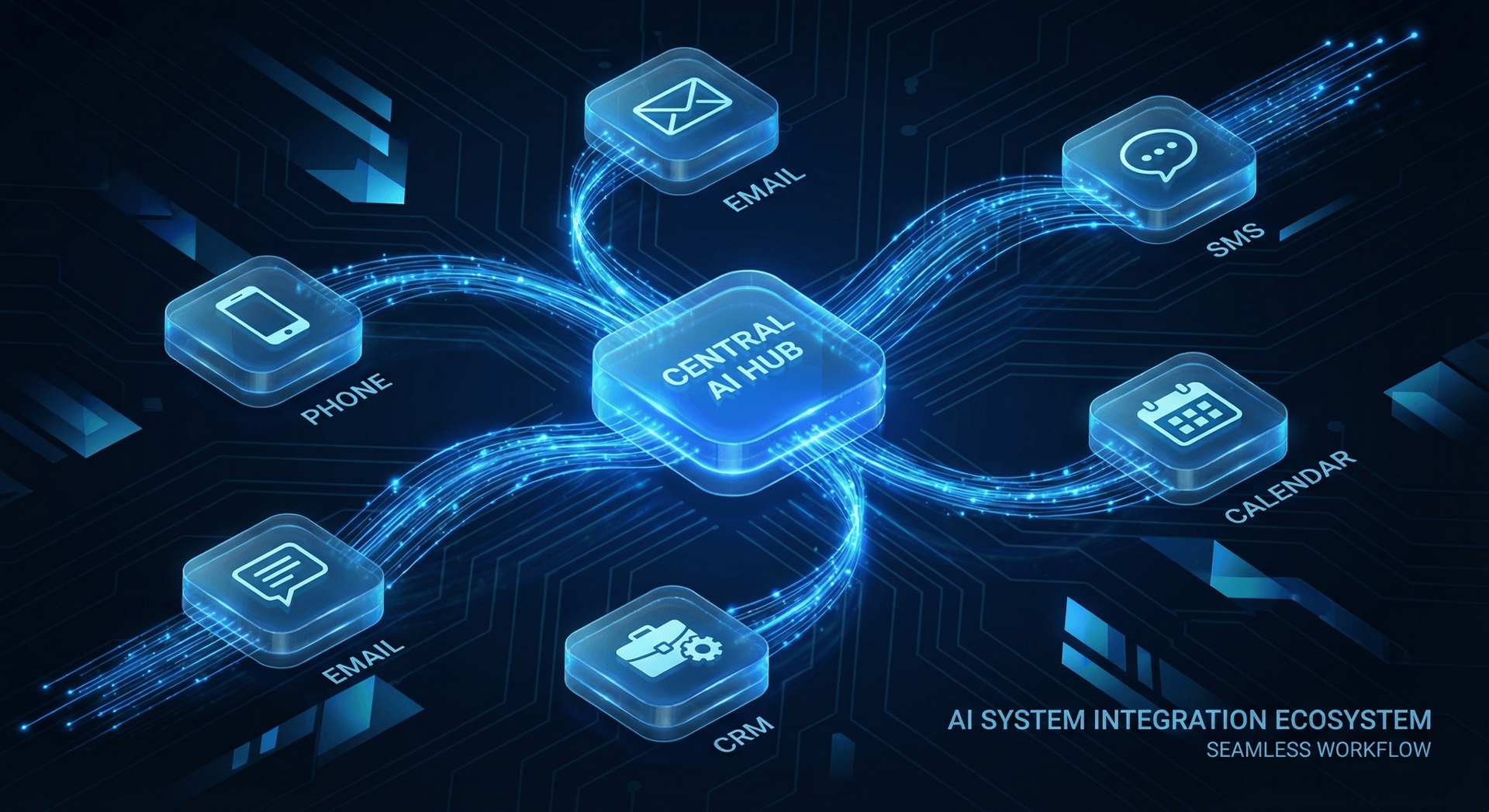
The structured database integrates with your existing business systems (CRM, ERP, scheduling software, inventory) via API. The AI does not have a separate copy of your data — it queries your actual systems in real time.
The Three Layers Work Together
Role-Aware Context: The Right Info for the Right Person
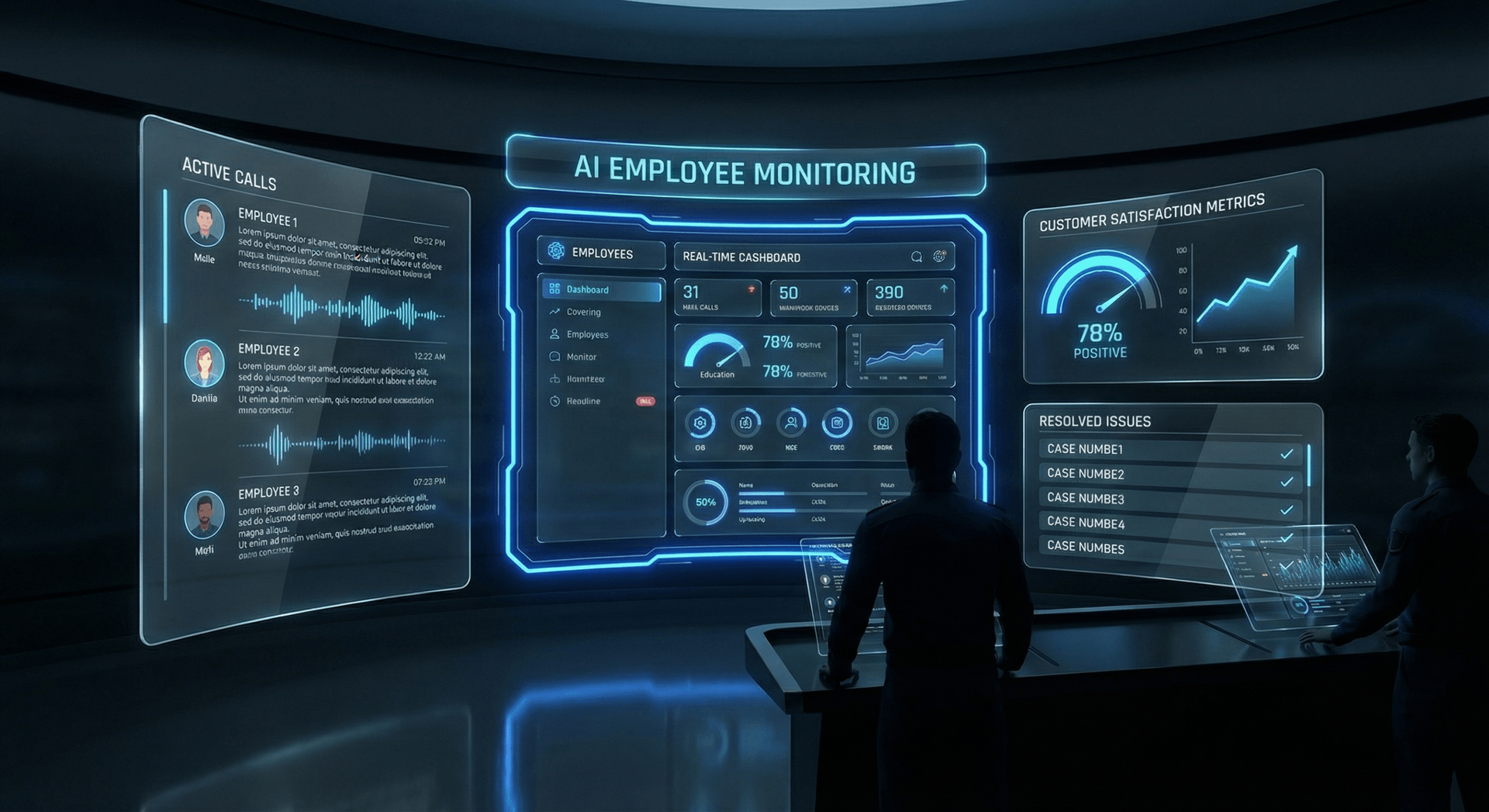
One of the most powerful features of persistent memory in a properly architected AI Employee is role-aware context delivery — the ability to present the same underlying information differently depending on who is asking and what they need from it.
Here is what this looks like in practice. Imagine your business has had a significant week — a product launch, a customer service challenge, and a financial milestone. Three different people need to understand what happened:
The Sales Manager
What they need: Actionable intelligence, next steps, pipeline impact
Morning briefing for: Sales Manager
• Product Launch Results: 47 demo requests in 48 hours. 12 converting leads assigned to queue. 3 hot leads flagged for same-day outreach.
• Customer Service Impact: 2 leads from CS resolution — upsell opportunities with existing accounts.
• Next Actions: Call list prepared, prioritized by conversion probability. Top 5 ready for you at 9 AM.
The Owner / Executive
What they need: Strategic summary, financial implications, decision points
Executive summary for: Owner
• Week Overview: Strong launch performance (+47 demos) offset by CS challenge (root cause identified, resolved). Net positive week.
• Financial: Q1 milestone hit — $127K in pipeline added. Decision needed: accelerate launch marketing spend? (Analysis attached)
• Strategic Notes: CS issue revealed product documentation gap. Recommend addressing before scaling outreach.
The Customer Service Lead
What they need: Operational details, process improvement, team performance
Operations briefing for: CS Lead
• Launch Surge: 23 support tickets in 48 hours — 18 resolved first contact (78% FCR). 5 escalated — patterns identified below.
• Root Cause Analysis: 4 of 5 escalations traced to missing FAQ on setup process. Draft FAQ ready for your review.
• Process Update: New triage rule recommended for launch periods — implement before next release?
The underlying facts are identical across all three briefings. What changes is the framing, the level of detail, the action orientation, and the specific questions surfaced — because the AI knows who is reading and what they need to do with the information. This is role-aware memory in action, and it is only possible when the AI has deep, persistent knowledge of your business and its people.
Technical Note
Concrete Memory Examples Across Business Functions
Let me make persistent memory tangible with specific examples across the business functions where it matters most:
Marketing and Content
Session-Based AI (ChatGPT)
You ask for a blog post on AI security. The AI writes something generic. You spend 20 minutes editing to match your brand voice, adding specific statistics you care about, and removing claims that contradict your positioning. Next week: repeat.
Persistent Memory AI Employee
You ask for a blog post on AI security. The AI knows your brand voice (conversational, technically informed, Fort Wayne-focused), knows your preferred statistics sources, knows the topics you've already covered (no repetition), knows your internal linking strategy, and knows the CTAs that convert best for your audience. First draft needs 5 minutes of review, not 20 minutes of rebuilding.
Customer Service and Relationships
Session-Based AI (ChatGPT)
Customer calls for the third time about the same issue. The AI has no record of the previous interactions. The customer re-explains from the beginning. The AI provides the same response they have already received twice. Customer escalates — frustrated at the perceived inattention.
Persistent Memory AI Employee
Customer calls. The AI immediately pulls up their complete interaction history, identifies this as their third contact on the same issue, flags it as requiring immediate escalation to a human specialist, and has a draft response ready that acknowledges the repeated contacts and offers a concrete resolution path. The customer feels heard.
Strategic Planning and Decision-Making
Session-Based AI (ChatGPT)
You ask for help evaluating a new market opportunity. The AI provides a generic market analysis framework — the same one it would give any business asking the same question. It does not know what you have already tried, what your current resource constraints are, or what strategic decisions you made last month that affect this one.
Persistent Memory AI Employee
You ask about the same opportunity. The AI notes that you considered a similar expansion in Q3 and chose not to proceed due to cash flow constraints. It asks whether those constraints have changed. It references the competitive intelligence it gathered last month on this market. It recalls that you prefer a "nail it then scale it" approach based on previous strategic discussions. The analysis is personalized to your actual situation.
Sales and Lead Management
Session-Based AI (ChatGPT)
You paste a lead's LinkedIn profile and ask for a pre-call briefing. The AI provides generic research based solely on what you just pasted. It does not know that this prospect attended a webinar you hosted six months ago, submitted a price inquiry last year but did not convert, or is connected to three of your current customers.
Persistent Memory AI Employee
You ask for a pre-call briefing on a prospect. The AI pulls the CRM history, notes the previous price inquiry and the objection that prevented conversion (too expensive at the time), notes the webinar attendance and which topics they engaged with, identifies the mutual connections, and suggests opening with the cost objection proactively — with the current solution that addresses it.
Memory vs. ChatGPT / Grok / Gemini: The Real Differentiator
There is a common misunderstanding in the market: that the competition between AI tools is primarily about model capability — which model is "smarter," which has the longer context window, which produces the most accurate responses. These are real differences. They are not the most important differences for business users.
The most important differentiator between consumer AI tools and a real AI Employee is memory. Not because memory makes the model smarter in a given session — it might not. But because memory is what transforms an AI from a tool you use to an assistant you work with. The difference is enormous in practice.
| Capability | ChatGPT | Grok | Gemini | AI Employee |
|---|---|---|---|---|
| Remembers previous sessions | Limited | ✗ No | Limited | ✓ Yes |
| Learns your brand voice permanently | ✗ No | ✗ No | ✗ No | ✓ Yes |
| Tracks past decisions made | ✗ No | ✗ No | ✗ No | ✓ Yes |
| Knows your customer history | ✗ No | ✗ No | ✗ No | ✓ Yes |
| Updates knowledge as business evolves | ✗ No | ✗ No | ✗ No | ✓ Yes |
| Role-aware output formatting | ✗ No | ✗ No | ✗ No | ✓ Yes |
| Gets better over time with your business | ✗ No | ✗ No | ✗ No | ✓ Yes |
| Zero re-onboarding per session | ✗ No | ✗ No | ✗ No | ✓ Yes |
| Connects to your business systems | ✗ No | ✗ No | Limited | ✓ Yes |
| Persistent competitive intelligence | ✗ No | ✗ No | ✗ No | ✓ Yes |
ChatGPT has introduced some memory features in recent versions. They store surface-level preferences like "prefers bullet points" and "user is a software engineer" — useful, but fundamentally different from the deep, structured, business-specific institutional knowledge that an AI Employee accumulates. OpenAI's memory is designed for individual user preferences. An AI Employee's memory is designed for business operations.
The Memory Compounding Effect
The Memory Timeline: How AI Gets Smarter
Persistent memory creates a trajectory that session-based AI tools simply cannot follow. Here is what the memory timeline looks like for a typical business:
Onboarding
Business identity established. Core services, brand voice, key personnel, and primary policies loaded into MEMORY.md. The AI Employee knows who you are, what you do, and how you want to communicate. No more blank-slate conversations.
Pattern Learning
First week of interactions generates the earliest learned patterns. What topics does the owner ask about most? What types of tasks take multiple iterations? What preferences emerge from feedback on initial outputs? Week one patterns are sparse but meaningful.
Institutional Knowledge
A month of interactions has generated real institutional knowledge. The AI knows your common customer questions and the best responses. It knows your preferred communication style for different audiences. It knows what content topics resonate. It has learned from corrections and built better defaults.
Strategic Partner
Three months of accumulated knowledge means the AI can engage in genuinely strategic conversations. It knows what you have tried and what worked. It knows your business cycle and anticipates seasonal needs. It tracks the competitive landscape as it evolves. Outputs require minimal editing because the AI knows your standards.
Indispensable Intelligence
At six months, the AI Employee has accumulated a depth of institutional knowledge about your business that rivals a long-term human employee. It knows your history, your preferences, your successful strategies, your failed experiments, your customer personalities, and your market position — and it applies all of that to every interaction, every day.
This trajectory is categorically unavailable with session-based AI tools. ChatGPT in month six is no smarter about your business than ChatGPT in month one. An AI Employee in month six has accumulated six months of compounding institutional knowledge. The gap widens every day.
Memory and Security: What Gets Remembered
Persistent memory raises a legitimate question: if the AI remembers everything, does that create a security risk? What happens if the memory store is compromised? How do you control what goes into memory and who can access it?
These are exactly the right questions, and the Cloud Radix architecture addresses them directly:
- Memory is encrypted at rest: All memory stores — MEMORY.md, vector embeddings, structured databases — are encrypted with AES-256 at rest. A compromised storage system does not yield readable business data.
- Role-based memory access: The AI Employee's memory is segmented by role. A customer service agent's AI context does not include financial data. The finance AI does not have access to HR records. Memory segmentation follows the same principle of least privilege that governs your data access policies generally.
- Memory update approval workflows: Significant updates to MEMORY.md — new policies, new business rules, changes to existing strategic direction — require human approval before they are committed. The AI can propose memory updates; it cannot unilaterally change institutional knowledge.
- Memory audit trails: Every memory update is logged with timestamp, source (what conversation or event triggered the update), and approval record. You can see exactly what the AI "learned" and when, and reverse any update if needed.
- Data retention policies: Conversation data used to generate embeddings is subject to your configured retention policy. You determine how long historical interaction data is retained and when it is purged.
- No training data leakage: Memory stored in your AI Employee's architecture stays in your AI Employee's architecture. It is not shared with the model provider, not used for training other customers' models, and not accessible to any party outside your defined access controls.
Memory vs. Shadow AI
Building on Memory: The Compounding Advantage
I want to close with the concept that I think is most underappreciated about persistent memory: the compounding effect. Memory does not just save you time in any given session. It creates a capability trajectory that accelerates over time.
Every business that works with a session-based AI tool is operating on a flat capability curve. Month one performance equals month twelve performance in terms of contextual understanding — because the AI knows nothing about you in month twelve that it did not know in month one. The only way to improve is to manually repeat context with more detail each time.
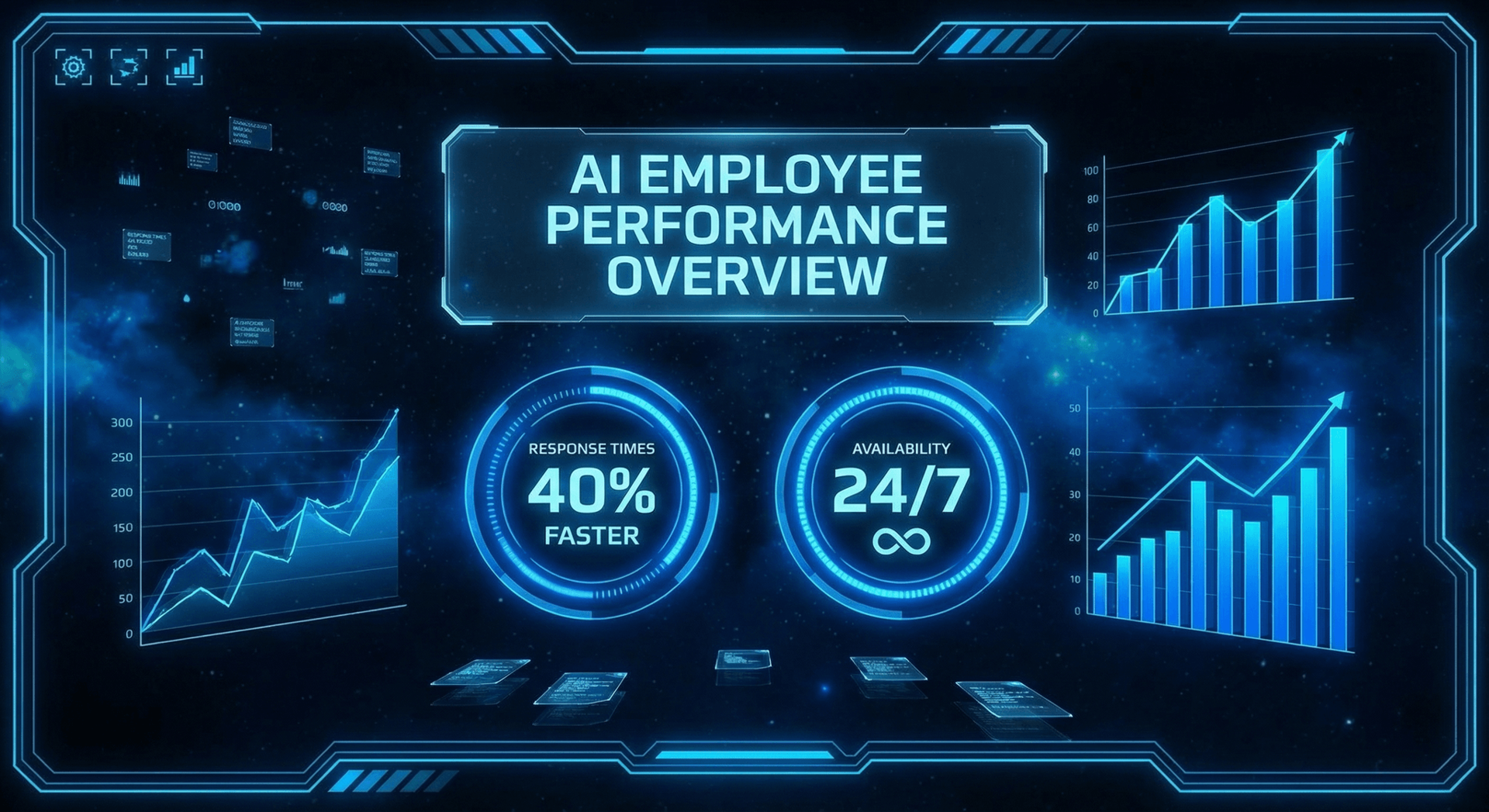
An AI Employee with persistent memory operates on an exponential capability curve. Each session adds to the knowledge base. Each correction improves the model's understanding of your preferences. Each piece of feedback makes future outputs more accurate. The business gets a better AI Employee for free — through the natural accumulation of institutional knowledge.
The compounding advantage is also competitive. Your competitors who are using session-based AI tools will always be teaching their AI from scratch. Your AI Employee is getting smarter every day. Twelve months from now, that gap is measurable and meaningful. Twenty-four months from now, it may be decisive.
To understand the full capabilities that become possible when you build on persistent memory, explore our capabilities overview. To see the memory architecture in technical detail, visit our memory systems page.
The Bottom Line
Frequently Asked Questions
Q1.Does ChatGPT have memory now?
OpenAI introduced memory features to ChatGPT that store user preferences — things like 'prefers bullet points' or 'is a software developer.' These are meaningfully different from the deep business memory in an AI Employee. ChatGPT's memory is designed for individual user preferences. An AI Employee's memory stores business rules, customer histories, strategic decisions, content performance data, and institutional knowledge accumulated over months of operation.
Q2.What happens to the memory if we stop using the AI Employee?
Your memory stores belong to you. MEMORY.md is a plain-text file you can export. Vector embeddings and structured database records can be exported in standard formats. You own the institutional knowledge your AI Employee accumulates. It does not disappear or become inaccessible if you ever transition to a different system.
Q3.Can the AI Employee remember incorrect information and perpetuate it?
Yes — which is why memory update approval workflows are important. If the AI learns something incorrect from a conversation and proposes adding it to MEMORY.md, a human reviews and approves that update before it is committed. The AI can also be explicitly corrected, and corrections are logged as memory updates. It is a controlled, auditable system — not an unmonitored accumulation.
Q4.How much data can the memory system hold?
For practical purposes, unlimited. MEMORY.md scales to any length (though we recommend keeping it organized and curated rather than simply appending everything). Vector embedding databases scale horizontally to handle millions of past interactions. The structured database scales to your existing business system capacity.
Q5.Does persistent memory make the AI more expensive to run?
Counterintuitively, it often makes AI cheaper to run. MEMORY.md allows the AI to start with the right context immediately, reducing the lengthy back-and-forth needed to establish context in session-based interactions. Vector embeddings retrieve only the relevant 5-10% of past context for any given query, rather than stuffing everything into the context window. For a detailed cost analysis, see our post on how memory embeddings cut AI costs by 80%.
Q6.Is the AI Employee's memory shared across different employees who use it?
The business-level institutional knowledge (brand voice, business rules, strategic context) is shared — that is what makes it institutional knowledge. Individual customer interaction histories are shared within the customer service function but segmented from other functions. Personal preferences of individual employees are stored separately and not shared. Role-based segmentation controls what each user sees and what the AI reveals.
Sources
- Stanford HAI — Lost in the Middle: How Language Models Use Long Contexts (2024)
- McKinsey Global Institute — The State of AI Adoption: Memory and Context in Business Applications (2025)
- Forrester Research — Enterprise AI Productivity: The Memory Gap (2025)
- Pinecone — Vector Databases for Long-Term AI Memory: Technical Overview
- Anthropic — Memory-Augmented Language Models: Research Updates (2025)
- Harvard Business Review — Why Institutional Knowledge Is Your Competitive Moat (2025)
- OpenAI — Memory Feature Technical Documentation (2025)
Give Your Business an AI Employee That Never Forgets
Stop teaching your AI from scratch every day. An AI Employee with persistent memory gets smarter every session, learns your business inside out, and delivers better output every single week. The compounding advantage starts on day one.