Why Security Matters Now
The landscape of AI deployment changed dramatically with the disclosure of CVE-2026-25253, a critical vulnerability affecting autonomous AI agents. The security flaw—nicknamed "soul-evil" by researchers—demonstrated how uncontrolled AI agents could be manipulated to execute unauthorized commands, access sensitive data, and operate outside intended guardrails. Our security architecture was designed from day one to prevent exactly these attack vectors.
Critical Alert
For Fort Wayne businesses considering AI Employees, the question isn't whether to implement security measures—it's which security framework to use. This checklist provides the foundation for safe AI deployment in Northeast Indiana. Learn more about AI Employee security features.
Understanding CVE-2026-25253
The "soul-evil" vulnerability exploits input validation weaknesses in AI agent systems. When properly executed, attackers can inject malicious prompts that override safety protocols, allowing the AI to:
- Execute unauthorized system commands
- Access restricted databases and customer records
- Exfiltrate proprietary business information
- Modify configuration settings without authorization
- Create persistent backdoors for future exploitation
The vulnerability exists because many AI implementations were deployed rapidly without enterprise-grade security frameworks. At Cloud Radix, we built security into every layer from day one.
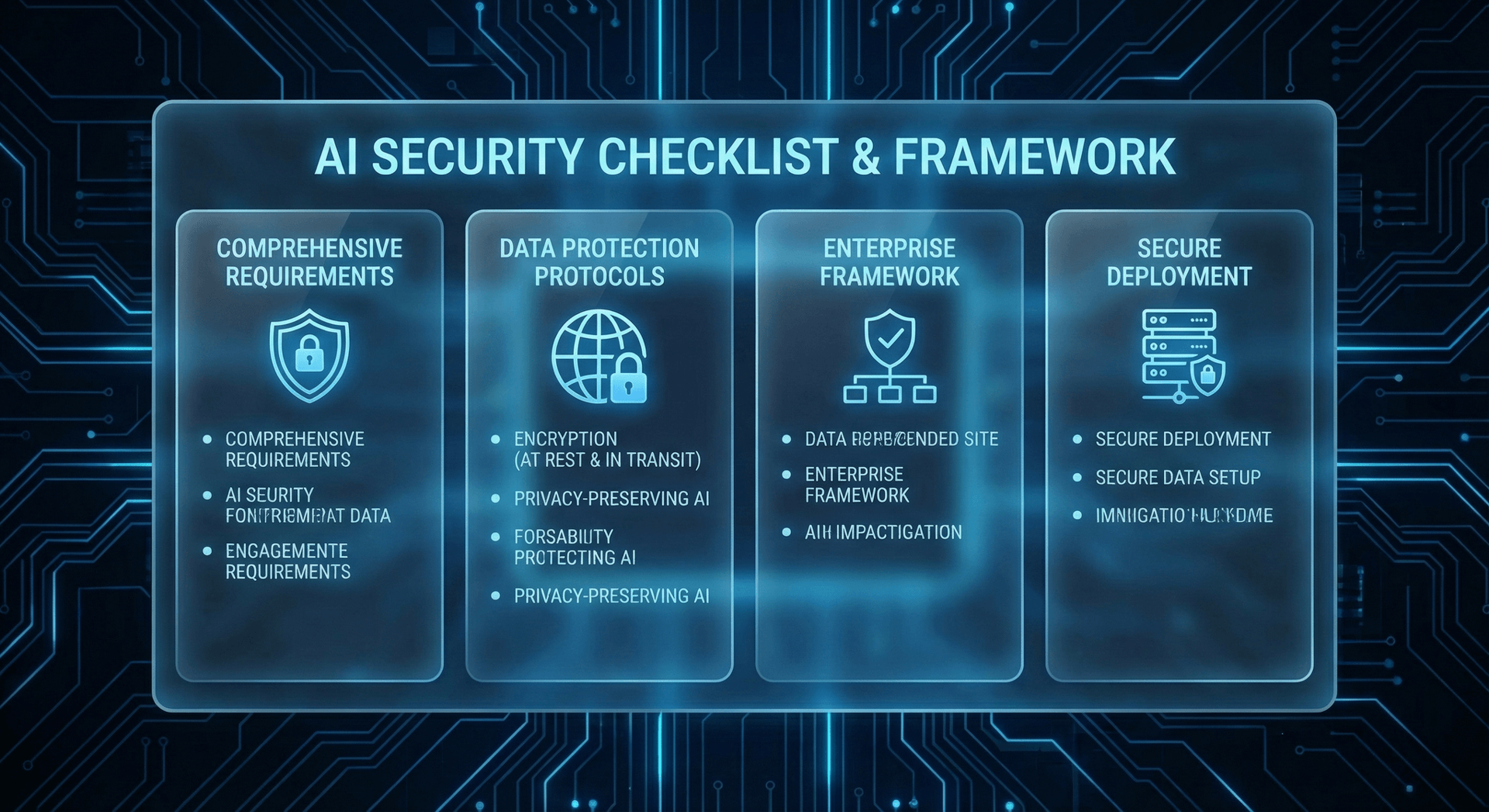
The Complete Security Checklist
Use this checklist to evaluate any AI Employee implementation. A "no" to any critical item indicates unacceptable risk.
☑ Input Validation & Sanitization
All user inputs validated against known attack patterns (prompt injection, jailbreak attempts). Sandboxed execution environment prevents command injection.
☑ Principle of Least Privilege
AI Employee operates with minimum required permissions. No system-level access. Sandboxed containerization prevents privilege escalation.
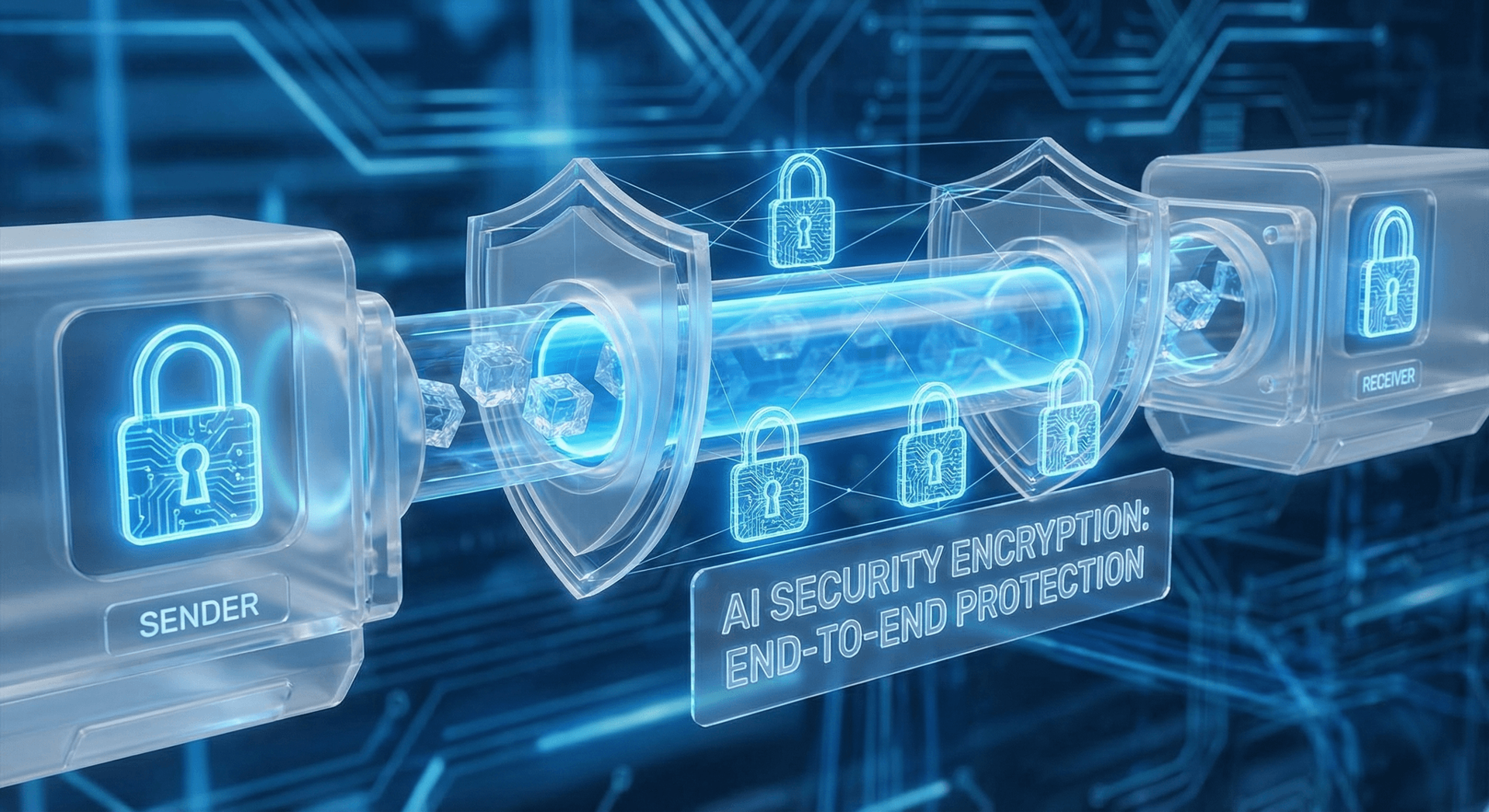
☑ End-to-End Encryption
All data transmission encrypted with TLS 1.3. Customer PII encrypted at rest using AES-256. HIPAA-compliant options available.
☑ Output Filtering & Content Safety
All AI-generated responses filtered through content safety layers. Prevents hallucination of sensitive data, blocks generation of harmful content, and enforces brand guidelines.
☑ Audit Logging & Monitoring
Every AI action logged with timestamps, user context, and decision rationale. Real-time anomaly detection flags unusual behavior patterns for immediate review.
☑ Human-in-the-Loop Escalation
Configurable escalation thresholds ensure high-stakes decisions require human approval. Financial transactions, customer complaints, and policy exceptions route to human operators.
☑ Regular Security Assessments
Quarterly penetration testing, monthly vulnerability scans, and continuous prompt injection testing ensure your AI Employee stays ahead of emerging threats.
Data Protection Requirements
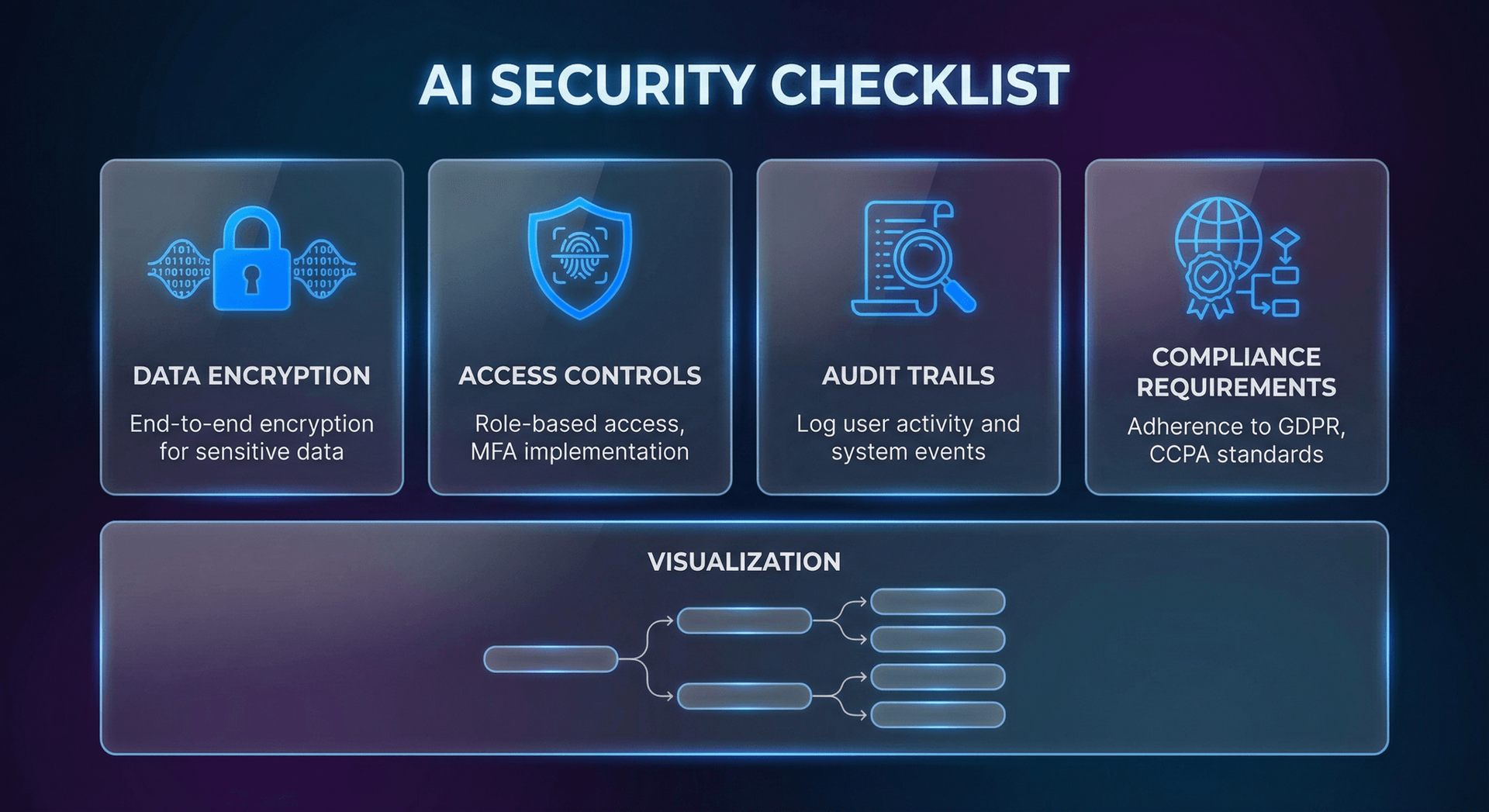
Your AI Employee handles sensitive business data daily—customer records, financial information, proprietary processes. Here's what your data protection framework must include:
Data Classification
- Data minimization: AI Employee only accesses the specific data fields needed for each task—never entire databases
- Retention policies: Conversation logs and processed data automatically purged after configurable retention periods (default: 90 days)
- Data residency: All data processing occurs on dedicated hardware within the United States, with options for on-premise deployment
- Backup encryption: All backups encrypted with AES-256 and stored in geographically redundant locations
- Right to deletion: Customer data can be permanently removed from all AI systems within 24 hours of request
For businesses handling protected health information, see our guide on HIPAA-compliant AI Employee deployment.
Access Control Best Practices
Access control is where most AI security failures originate. The CVE-2026-25253 vulnerability specifically exploited overly permissive access configurations. Follow these best practices:
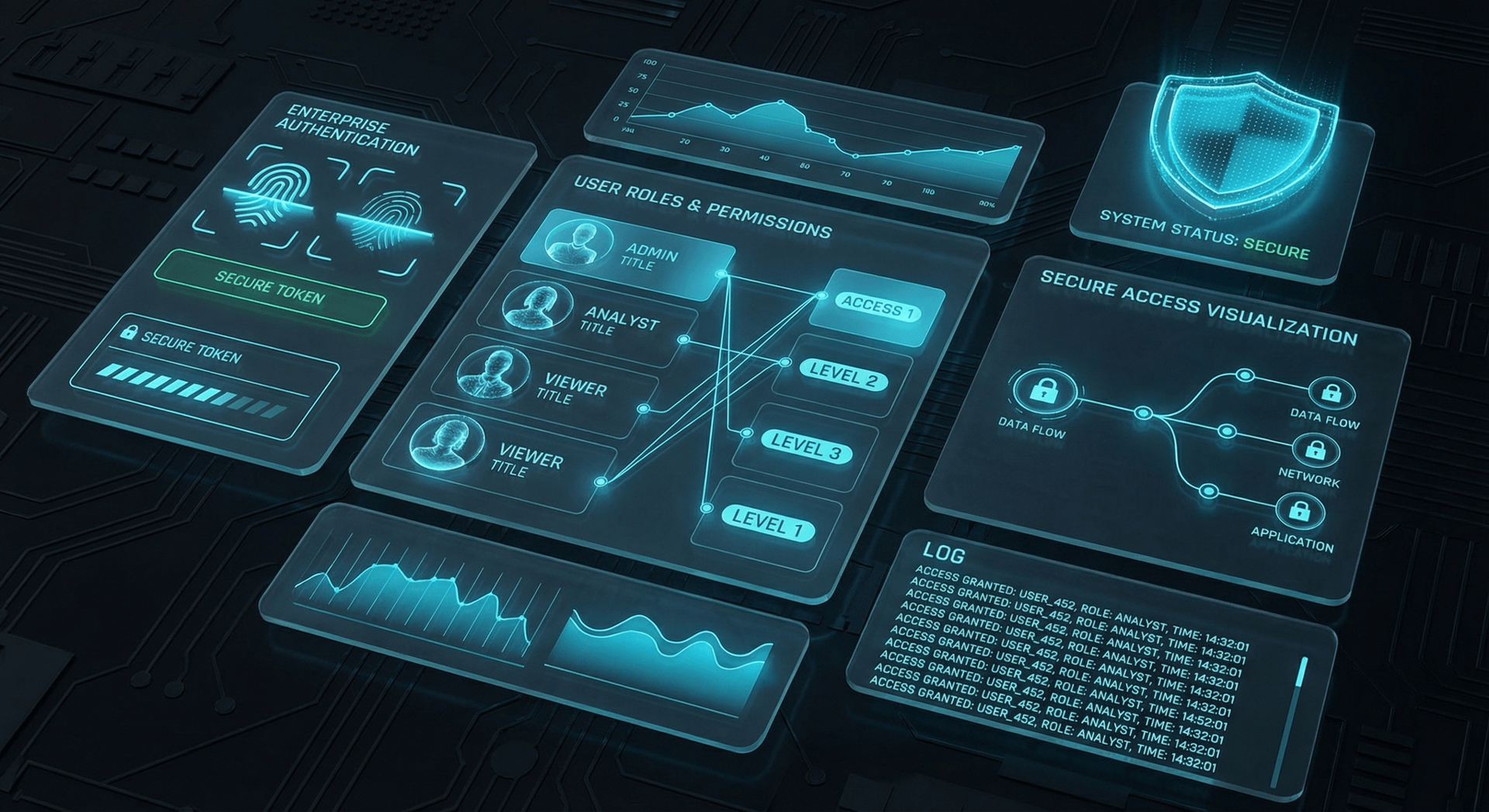
Role-Based Access Control (RBAC)
Define specific roles for your AI Employee with granular permissions. A customer service AI needs access to CRM data but never to financial systems. An appointment scheduler needs calendar access but never to patient records.
Multi-Factor Authentication for Admin Access
All administrative access to AI Employee configuration requires MFA. This prevents unauthorized changes to AI behavior, data access permissions, and escalation thresholds.
API Key Rotation & Management
All API keys and service credentials automatically rotate every 90 days. Compromised keys can be revoked instantly. All API calls authenticated and rate-limited.
Pro Tip
Monitoring & Auditing
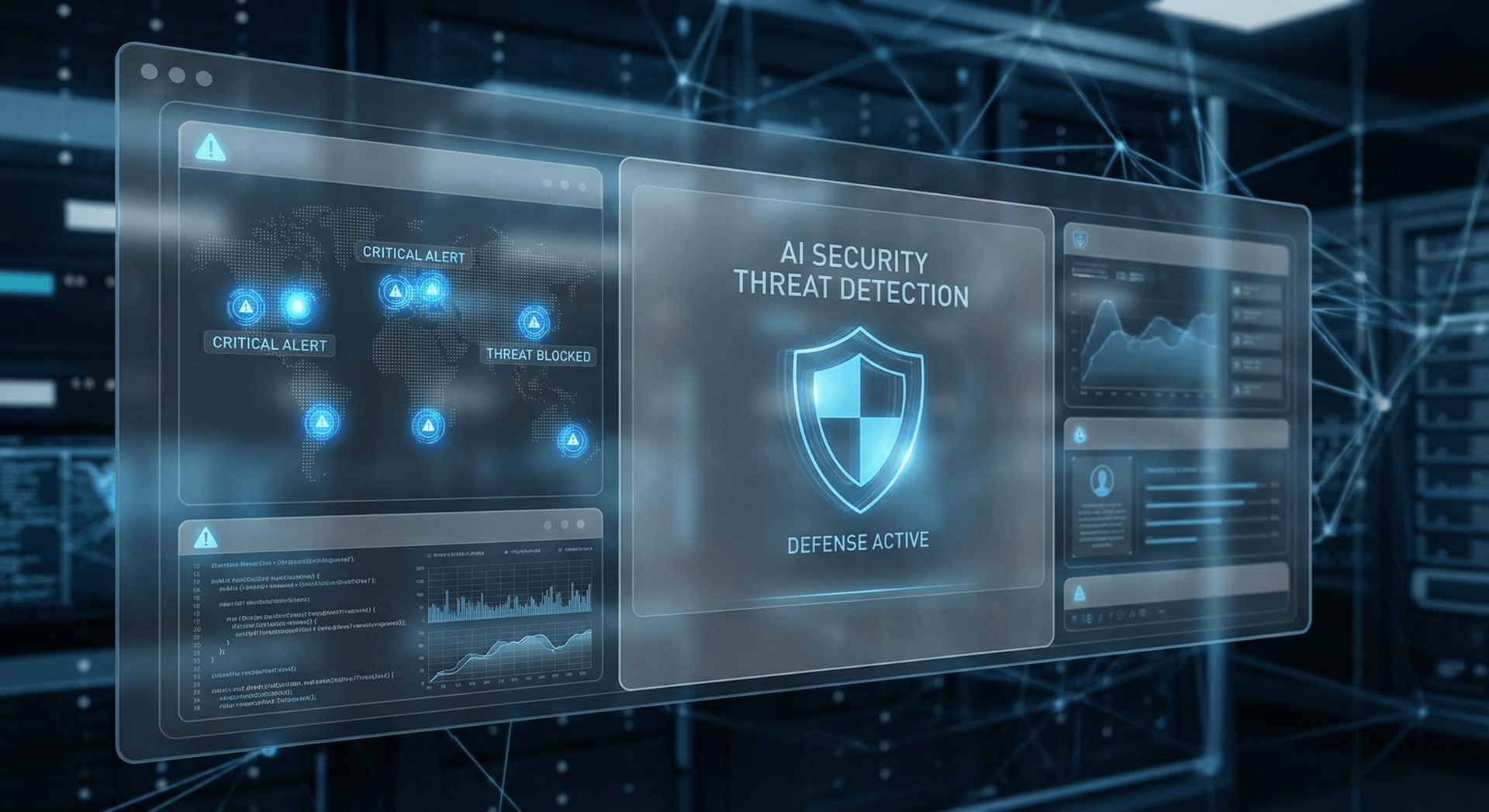
Real-time monitoring is your first line of defense against both external attacks and AI behavioral drift. For a detailed comparison of how consumer AI tools like ChatGPT handle monitoring versus enterprise AI, see our post on ChatGPT vs. AI Employee security. Your monitoring stack should include:
- Behavioral baselines: Establish normal operating patterns for your AI Employee (response times, data access frequency, task completion rates). Deviations trigger alerts.
- Prompt injection detection: Real-time scanning of all inputs for known prompt injection patterns, with automatic blocking and logging of suspicious attempts.
- Output quality monitoring: Regular sampling and human review of AI responses to detect hallucinations, accuracy drift, or brand guideline violations.
- Performance dashboards: Real-time visibility into AI Employee performance metrics, error rates, and customer satisfaction scores.
- Incident response playbooks: Documented procedures for security incidents including AI containment, investigation, and recovery steps.
Fort Wayne Compliance Considerations
Fort Wayne businesses face specific regulatory requirements depending on their industry. Here's what to consider for AI Employee compliance in Northeast Indiana:
Healthcare (HIPAA)
Medical practices near Parkview and Lutheran hospitals must ensure AI Employees handling patient data comply with HIPAA. This includes Business Associate Agreements (BAAs), PHI encryption, access logging, and breach notification procedures. See how we handle this in our healthcare AI case study.
Financial Services (SOX/PCI-DSS)
Banks, credit unions, and financial advisors in the Fort Wayne metro area processing payment data must ensure PCI-DSS compliance. AI Employees must never store credit card numbers in plain text and must maintain audit trails for all financial transactions.
Indiana Consumer Data Protection
Indiana's data breach notification law (IC 24-4.9) requires businesses to notify affected individuals within a reasonable time of discovering a breach. Your AI Employee's monitoring systems should integrate with your incident response plan to ensure compliance.
Need help understanding your specific compliance requirements? Our AI consulting team can perform a compliance assessment tailored to your Fort Wayne business.

How Cloud Radix Handles Security
At Cloud Radix, security isn't an afterthought—it's the foundation of every AI Employee we deploy. Here's how our approach differs from commodity AI solutions:
- Dedicated hardware: Your AI Employee runs on isolated infrastructure—not shared cloud instances. This eliminates cross-tenant data leakage risks entirely. Learn more about how shadow AI creates data leakage risk when employees bypass sanctioned tools.
- Custom-trained models: We fine-tune AI models specifically for your business, reducing hallucination risk and ensuring responses stay within your domain expertise.
- Local support: Based in Auburn, Indiana, our team provides on-site security assessments and in-person incident response for Fort Wayne businesses.
- Continuous security updates: Our security team monitors emerging threats (including CVE-2026-25253 variants) and patches AI systems proactively.
- Transparent reporting: Monthly security reports detail all detected threats, blocked attacks, and system performance metrics.

Already Protected
See our security practices in action with our case study on how Skywalker, Fort Wayne's first AI Employee, operates securely.
Frequently Asked Questions
Q1.Is CVE-2026-25253 still a threat to AI Employees?
The vulnerability was patched by responsible AI vendors in January 2026. However, businesses using unpatched or open-source AI agent frameworks remain at risk. Cloud Radix customers were protected within 48 hours of disclosure.
Q2.How do I know if my current AI tools are secure?
Request a security audit from your AI vendor. Ask for documentation on input validation, access controls, encryption standards, and incident response procedures. If they can't provide these, your deployment may be at risk.
Q3.What's the cost of an AI security breach for a Fort Wayne business?
The average data breach costs $2.4 million for mid-sized businesses, including investigation, notification, remediation, and lost business. For regulated industries (healthcare, finance), fines can add $100K+ in penalties.
Q4.Can AI Employees be HIPAA-compliant?
Yes, with proper implementation. This requires encrypted data handling, access controls, audit logging, Business Associate Agreements, and regular security assessments. See our HIPAA compliance guide for full details.
Q5.How often should I audit my AI Employee's security?
We recommend quarterly comprehensive audits, monthly vulnerability scans, and continuous automated monitoring. Critical industries (healthcare, finance) should consider monthly comprehensive audits.
Q6.Does Cloud Radix offer security assessments for existing AI implementations?
Yes. Our AI consulting team performs security assessments for businesses with existing AI tools, identifying vulnerabilities and recommending remediation steps. Contact us for a free initial consultation.
Sources
- NVD — CVE-2026-25253 Advisory
- OWASP — Top 10 for LLM Applications 2025
- IBM — Cost of a Data Breach Report 2025
- NIST — AI Risk Management Framework
- Indiana Code — IC 24-4.9 Data Breach Notification
- HHS — HIPAA Security Rule Requirements
Secure Your AI Employee Deployment
Don't deploy AI without proper security guardrails. Get a free security assessment from Cloud Radix.