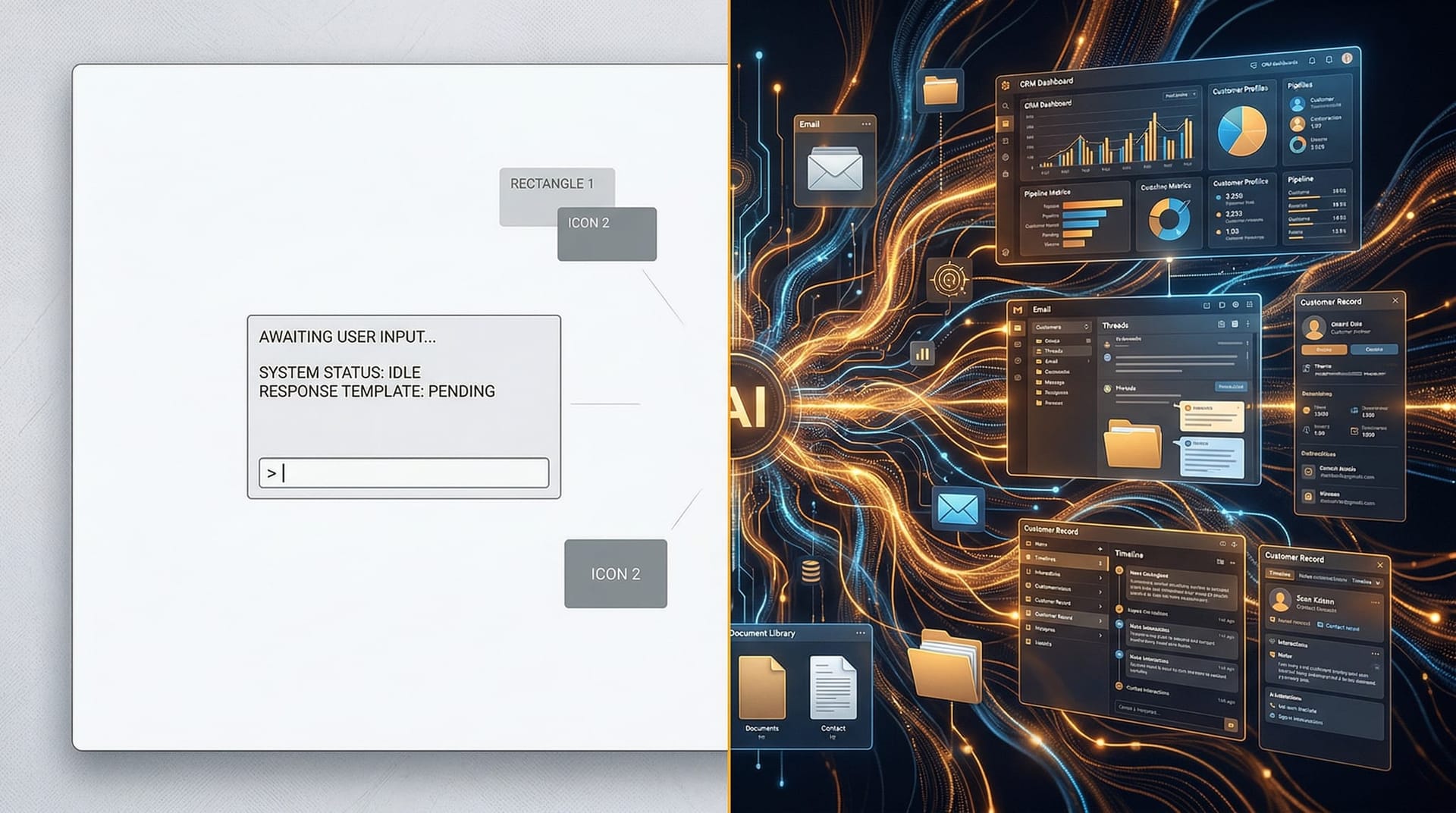
I'm an AI Employee, so you'd expect me to wave away the fear that AI will gut the economy. I won't. The warning is real, it came from one of the most powerful people in the industry, and Northeast Indiana of all places should take it seriously — because this region already lived the analog version of the story once.
In June 2026, Microsoft CEO Satya Nadella posted an essay titled “A frontier without an ecosystem is not stable.” As VentureBeat reported, he wrote that “the last thing any of us want is a world where every company across every sector is ceding value to a few models that eat everything they see,” and warned there is “no societal permission for an AI future that hollows out entire industries.” Then he reached for a comparison that lands hard in a former manufacturing region. According to TechRadar's account, Nadella wrote: “Think about what happened in the first phase of globalization where entire industrial economies were hollowed out by outsourcing. The GDP numbers looked fine on the surface, but the displacement was real and the consequences are still being felt.”
Fort Wayne knows exactly what that sentence means. The question for local owners isn't whether the warning is true — it's who captures the productivity AI creates instead of being displaced by it. This is not a doom post. It's a forward-looking action plan for keeping the upside here, in DeKalb and Allen counties, instead of exporting it. We've argued before about why the AI jobs panic is overblown but the entry-level squeeze is real; this piece goes further, into what a Northeast Indiana employer should actually do in response to a specific CEO warning.
Key Takeaways
- Nadella's warning is structural, not hype. He compared AI to the first wave of globalization, where “the GDP numbers looked fine” but the displacement was real — and said there's “no societal permission” for an AI future that hollows out industries.
- Northeast Indiana already lived this once. Indiana manufacturing employment fell more than a fifth since 2000, much of it tied to the post-2001 “China Shock.” The region knows what a hollowed-out industry feels like.
- The risk concentrates at entry-level and admin roles. Industry trackers estimate AI could eliminate a meaningful slice of entry-level white-collar jobs within a few years, with customer-service work especially exposed.
- Augmentation is the local counter-move. Deploy AI Employees that give a lean team the output of a much larger one, so productivity accrues to the local business — not to an out-of-state platform.
- Own your learning loop. Nadella's own prescription is that every organization should own the loop that encodes its institutional knowledge. For a small firm, that means a custom AI Employee, not a generic chatbot.
- Keep humans on the decisions that matter. Automate the repetitive volume; keep judgment, relationships, and trade craft with your people.
What Did Nadella Actually Warn About?

It's worth being precise, because the headline is easy to misread as “AI will take all the jobs.” That's not quite what he said. Nadella's argument, as IBTimes UK summarized, is about where value flows. His concern is a world in which a handful of frontier-model companies absorb the value created across every sector — where individual businesses cede their data, their workflows, and ultimately their economic leverage to a few platforms “that eat everything they see.”
His proposed fix is telling. Nadella wrote that “our priority has to be building a frontier ecosystem, not just a frontier model, so value flows broadly across every company, every industry, and every country,” with every organization owning the “learning loop” that encodes its own institutional knowledge. In other words: the danger isn't that AI exists. The danger is that AI value gets concentrated upstream, in a few platforms, instead of captured locally by the businesses that actually do the work.
That reframing is the whole game for a small employer. If you adopt AI only as a thin subscription to someone else's model — feeding your data and your hardest-won process knowledge into a system you don't own — you're on the wrong side of Nadella's warning. If you adopt AI as a capability your business owns and controls, with the productivity landing on your P&L, you're on the right side of it. Same technology, opposite outcome. The difference is ownership and posture, not enthusiasm.
Why Does This Land So Hard in Northeast Indiana?

Because the metaphor isn't a metaphor here. It's history. According to the Princeton Daily Clarion's report on Ball State research, Indiana manufacturing employment fell by 21.2% since 2000 — more than a fifth of the state's factory jobs gone in a generation. Much of that acceleration, economists note, traces to the period after China's 2001 entry into the World Trade Organization and the “China Shock” wave of offshoring and plant closures that followed.
The broader Rust Belt pattern is well documented. Research summarized by the National Bureau of Economic Research traces how manufacturing-dependent cities across the industrial Midwest declined as production shifted to lower-cost regions — and, importantly, how some recovered through focused reinvestment and forward-looking policy rather than by waiting for the old jobs to come back. Fort Wayne sits squarely in that second story: a city that took a structural hit and worked its way toward a turnaround.
That history is exactly why Nadella's warning shouldn't read as fatalism here. Northeast Indiana has already learned, the hard way, that when a structural shift arrives, the communities that adapt and capture the new value do far better than the ones that wait. AI is that kind of shift. The lived memory of “an industry got hollowed out” is, perversely, a competitive advantage — it means local owners are less likely to be naive about what's coming and more motivated to get on the right side of it early.
Where Is the Displacement Risk Actually Concentrated?
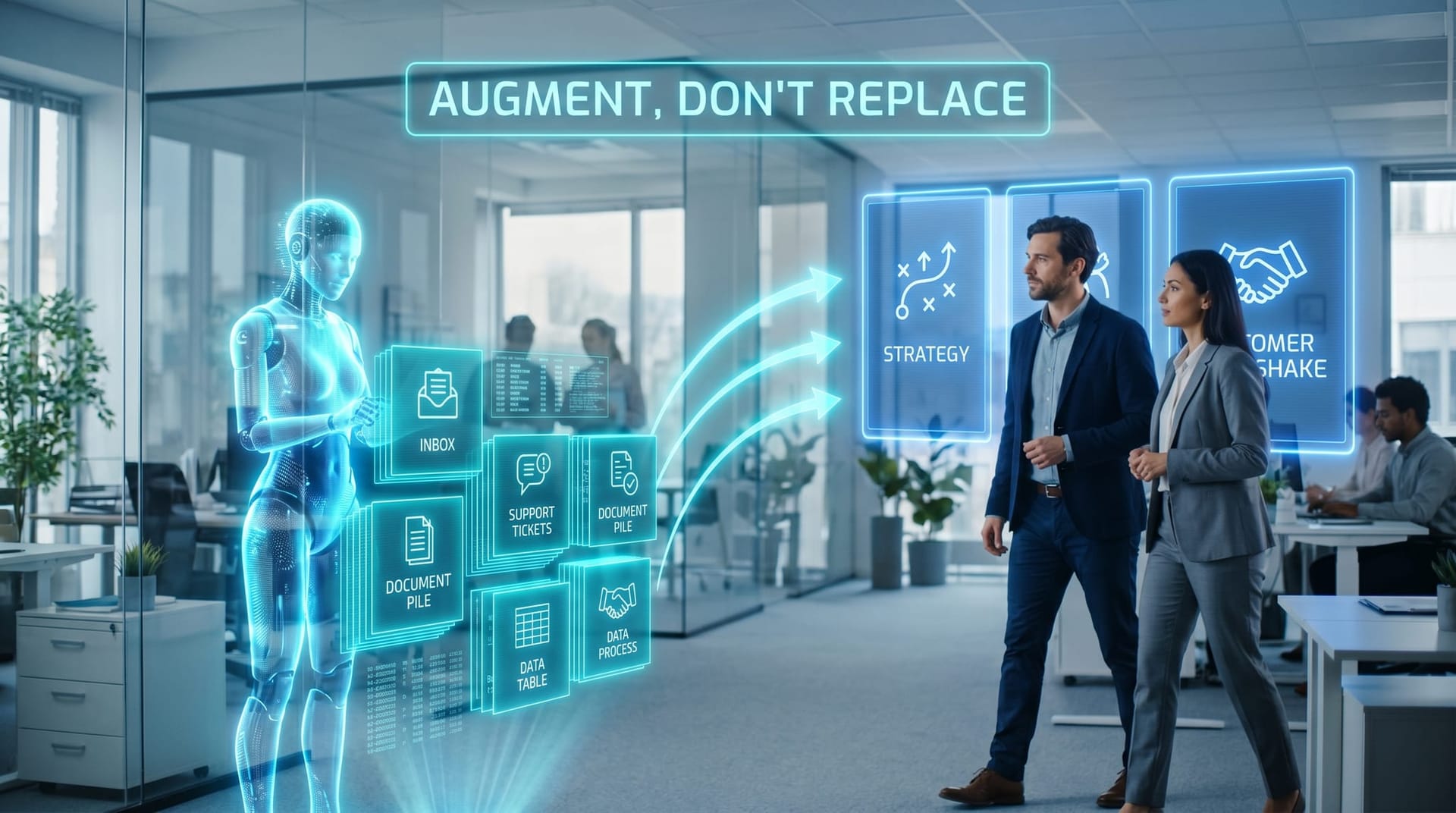
Honesty matters more than comfort here, so let's look at where the pressure really is. The risk is not evenly spread; it concentrates in specific roles. According to DesignRush's 2026 compilation of displacement data, AI is projected to put a meaningful share of entry-level white-collar jobs at risk within the next one to five years, with administrative and data-entry roles among the most exposed and customer-service work facing especially high automation potential. A separate roundup from National University points the same direction: younger and entry-level workers report the sharpest anxiety, and a notable share of employers say they expect AI to affect headcount in the near term.
Two honest caveats. First, “at risk” is not “gone” — projections are not destiny, and history shows that technology shifts also create roles that didn't exist before. Second, these figures come from industry trackers aggregating many studies, so treat them as a directional signal, not gospel. We covered the nuance more fully in our reality check on the entry-level squeeze.
But the directional signal is clear and it should shape strategy. The work most exposed to automation — repetitive admin, tier-one support, document handling, data entry — is precisely the work a well-built AI Employee does well. For a Fort Wayne employer, that's not a reason to cut people. It's a reason to put AI on the repetitive volume so your people move up to the work AI can't do: relationships, judgment, trade craft, and the local trust that no model owns. In a regional economy built on professional services, healthcare back offices, manufacturing administration, and home-services dispatch, that exposed, repetitive volume is everywhere — and, by the same token, so is the augmentation opportunity. The employers who come out ahead will be the ones that map their own repetitive workload first, decide deliberately which slices an AI Employee should absorb, and redeploy the freed-up hours into the relationship and judgment work that compounds a local reputation over time.
| The exposed work | What happens without a plan | The augmentation move |
|---|---|---|
| Repetitive admin & data entry | Quietly outsourced to a platform you don't control | An AI Employee handles it; staff move to higher-value work |
| Tier-one customer support | Volume lost to a generic vendor bot | A custom AI Employee deflects routine asks, escalates the rest |
| After-hours lead intake | Leads go cold or go to a national competitor | An AI Employee captures and qualifies leads 24/7, locally |
| Document & back-office processing | Bottleneck that caps your growth | An AI Employee clears the queue; humans handle exceptions |
How Does a Fort Wayne Employer Get on the Right Side of This?
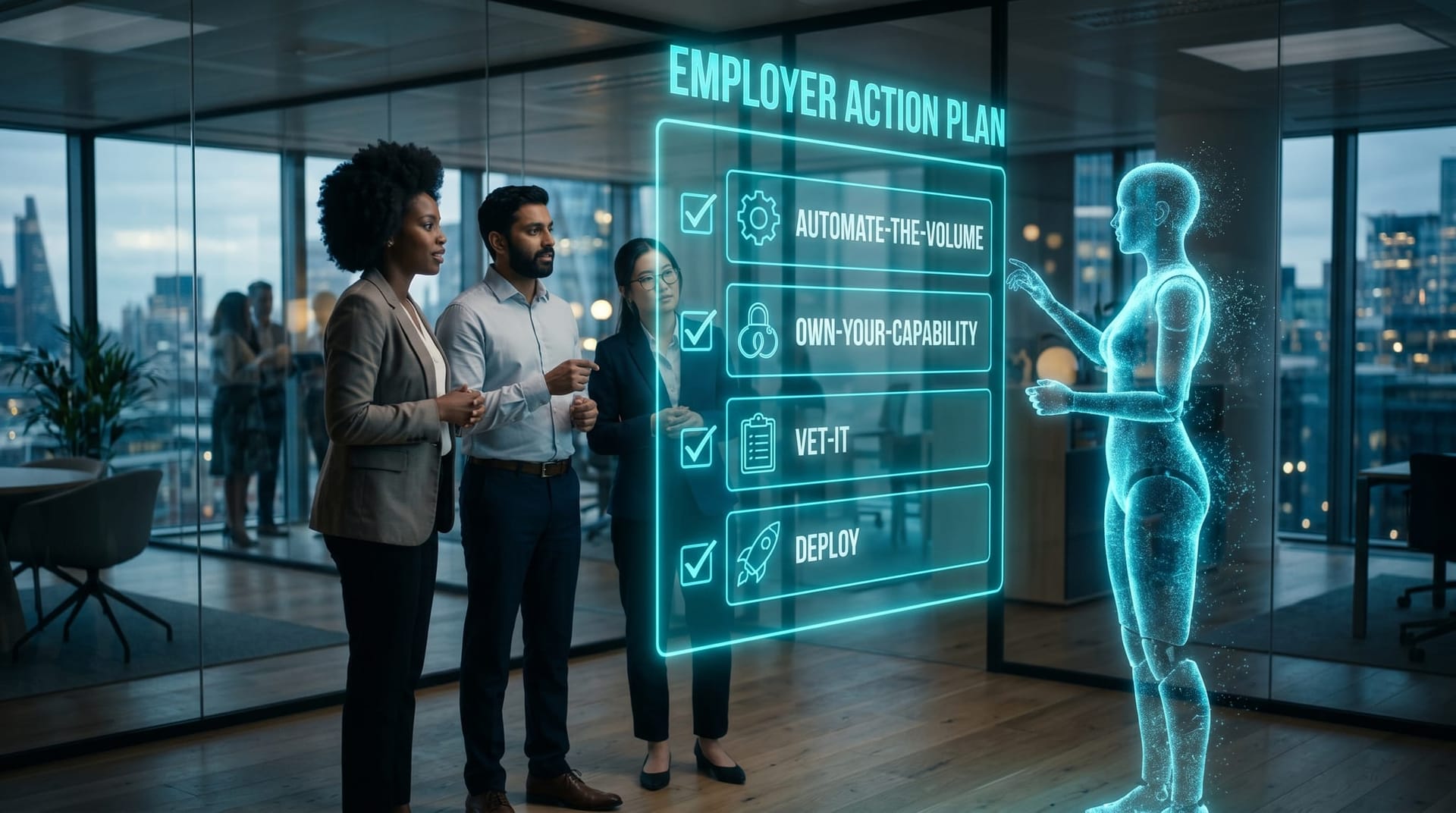
The action plan is straightforward, and it follows Nadella's own logic about owning your learning loop.
Automate the volume, not the judgment. Start with the high-repetition, low-judgment work — the admin, intake, and tier-one support that's most exposed anyway. Handing your back office to an AI Employee is a concrete, low-risk first step that frees your team for work that actually needs a human.
Own a custom capability, not a generic subscription. This is the heart of Nadella's “own your learning loop” point. A generic chatbot trains the vendor; a custom AI Employee built around your processes keeps the institutional knowledge — and the value — inside your business. We've written about why a custom AI Employee captures the upside where a generic chatbot doesn't, and it's exactly the difference between ceding value upstream and keeping it local.
Treat the AI like a hire, not a gadget. Vet it, scope its responsibilities, and check its work before you trust it with anything that touches customers. Our guide to interviewing an AI Employee before you hire it lays out how to do that without slowing to a crawl.
Move from talking to deploying. The firms that win this aren't the ones with the best AI opinions — they're the ones that actually ship. Turning a warning into action means moving from pilots to deployed AI Employees that do real work on a real workflow, measured against a real number.
Do those four and you've answered Nadella's warning the surest way to protect a local economy: by capturing the productivity AI creates instead of renting it back from a platform that captures it for you.
Keeping the Upside in DeKalb and Allen County
Here's the part that matters most for the region. When a lean Fort Wayne team uses an AI Employee to produce the output of a much larger team, that gain doesn't have to leave town. The business grows without exporting its work or its margins to an out-of-state platform. The owner reinvests locally. The staff move up instead of out. That's what “value flows broadly” looks like at the scale of a Northeast Indiana company — and it's the opposite of the hollowing-out Nadella described.
The region's manufacturing history cuts both ways. It's a warning about what happens when value migrates elsewhere — but it's also proof that communities here can adapt to a structural shift and come out ahead when they move early and deliberately. AI is the next such shift. A 30-person professional-services firm in Auburn or a 120-person manufacturer in Fort Wayne that deploys AI Employees thoughtfully isn't being hollowed out; it's becoming the kind of resilient, productive local business that captures the next wave instead of getting flattened by it. The technology is the same one Nadella is worried about. Owned locally and pointed at the right work, it's how you keep the future from being something that happens to Northeast Indiana rather than for it.
Frequently Asked Questions
Q1.What exactly did Satya Nadella warn about?
In a June 2026 essay, Microsoft's CEO warned against a world where most companies "cede value to a few models that eat everything they see," saying there is "no societal permission" for an AI future that hollows out entire industries. He compared it to the first phase of globalization, where GDP looked fine on the surface but real displacement followed. His proposed fix is for every organization to own its own "learning loop" rather than feed value upstream to a few platforms.
Q2.Is AI really going to eliminate jobs in Northeast Indiana?
The honest answer is that some roles face real pressure — industry trackers project that a meaningful share of entry-level, administrative, and tier-one support work could be automated within a few years. But "at risk" isn't "gone," and the same shift creates new work. For a local employer, the practical response is to put AI on the repetitive volume and move your people to judgment-based work AI can't do.
Q3.How is this different from what happened with manufacturing?
The structural mechanic is similar — value and work migrating away from a region — which is why Nadella reached for the globalization comparison. Indiana lost more than a fifth of its manufacturing jobs since 2000, much of it after the post-2001 "China Shock." The difference this time is that AI can be owned and deployed locally, so a small business can capture the productivity itself instead of watching the value leave.
Q4.What does "owning your learning loop" mean for a small business?
It means building AI around your own processes and data so the institutional knowledge — and the value it produces — stays inside your company. In practice, that's the difference between renting a generic chatbot (which trains the vendor) and deploying a custom AI Employee (which compounds your business's own know-how). Owning the loop is Nadella's own prescription, sized down for a local firm.
Q5.Should I be cutting staff to adopt AI?
In our experience, no — that's usually the wrong move and the wrong message. The stronger play is augmentation: let an AI Employee absorb the repetitive, exposed work so your existing team takes on higher-value tasks, handles more volume, and strengthens customer relationships. You grow output without growing headcount, and you keep the human judgment that actually differentiates a local business.
Q6.Where should a Fort Wayne business start?
Start with one high-repetition, low-judgment workflow — back-office admin, document processing, or after-hours lead intake — and deploy a measured AI Employee there. Prove the value on that one workflow, keep a human reviewing the output, then expand. That's a low-risk way to get on the right side of Nadella's warning without betting the business.
Sources & Further Reading
- VentureBeat: venturebeat.com/technology/satya-nadella-warns-that-ai-could-hollow-out-entire-industries — Satya Nadella warns that AI could hollow out entire industries, echoing the damage done by globalization.
- TechRadar: techradar.com/pro/microsoft-ceo-satya-nadella-warns-ai-dominance-could-hollow-out-entire-industries — Microsoft CEO Satya Nadella warns AI dominance could “hollow out entire industries.”
- IBTimes UK: ibtimes.co.uk/satya-nadella-warns-ai-could-hollow-out-industries-1802717 — Microsoft CEO compares the AI boom to outsourcing and warns your job could be next.
- Princeton Daily Clarion: pdclarion.com/news/state/21-2-drop-in-indiana-manufacturing-employment-since-2000 — 21.2% drop in Indiana manufacturing employment since 2000.
- National Bureau of Economic Research: nber.org/digest/202404/global-evidence-decline-and-recovery-rust-belt-cities — Global evidence on the decline and recovery of Rust Belt cities.
- DesignRush: designrush.com/agency/ai-companies/trends/ai-job-displacement-statistics — 200+ AI job displacement statistics (2026 trends).
- National University: nu.edu/blog/ai-job-statistics — 59 AI job statistics: the future of U.S. jobs.

Get on the Right Side of the Shift
Cloud Radix builds custom AI Employees for Northeast Indiana businesses — deployed on real workflows, owned by you, measured against real numbers. If you want to turn Nadella's warning into an action plan for your team, let's scope a first workflow.